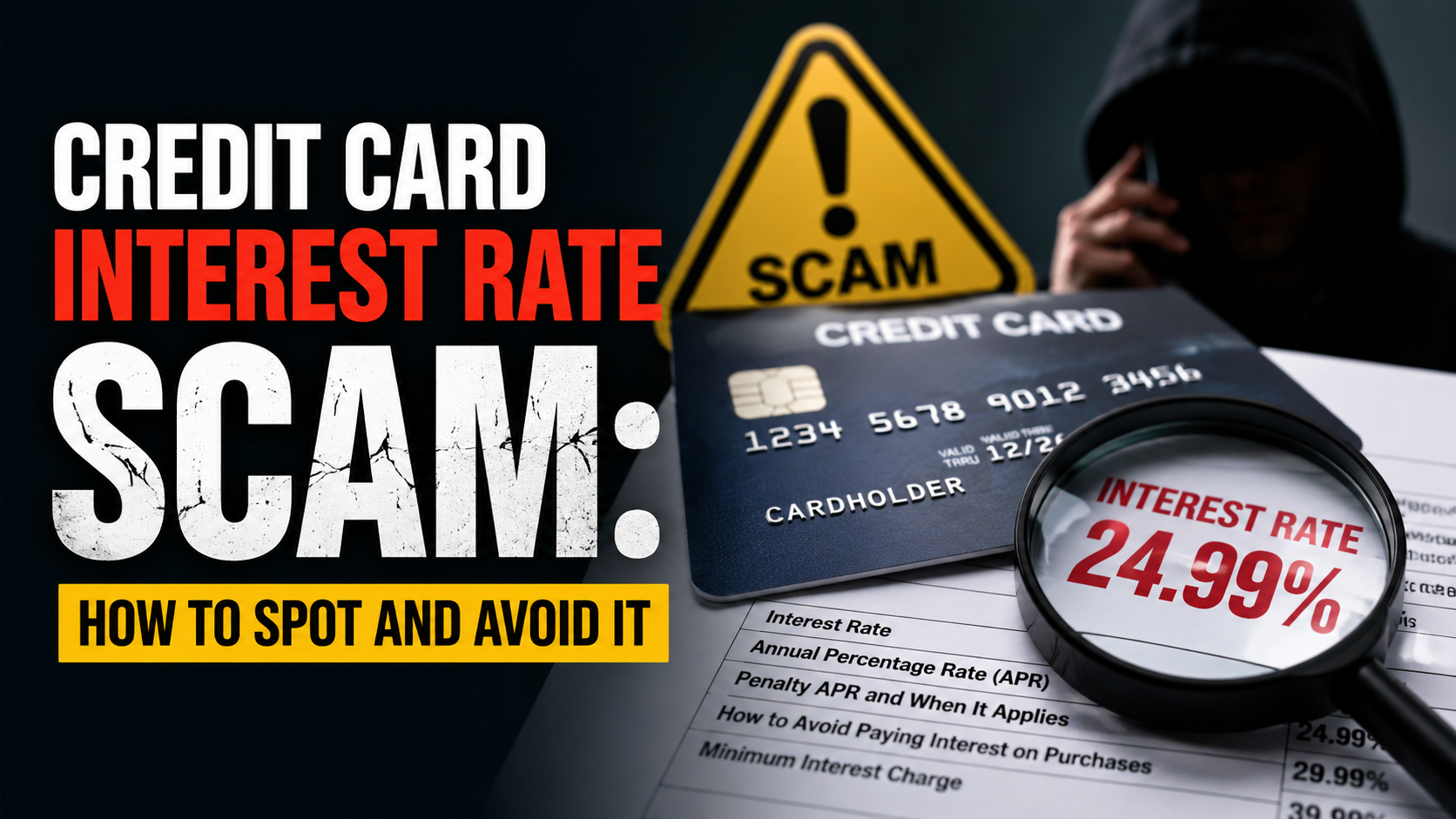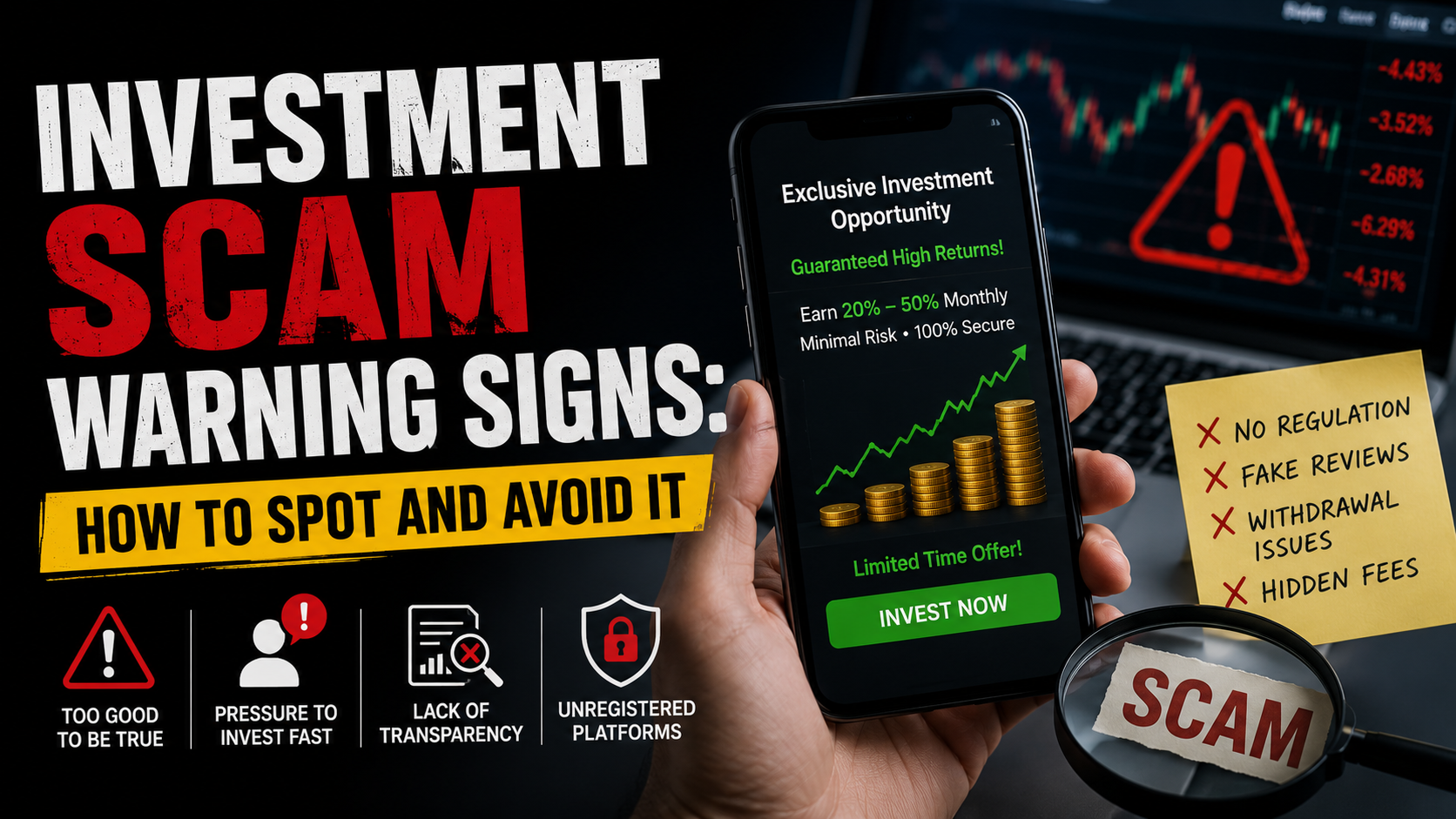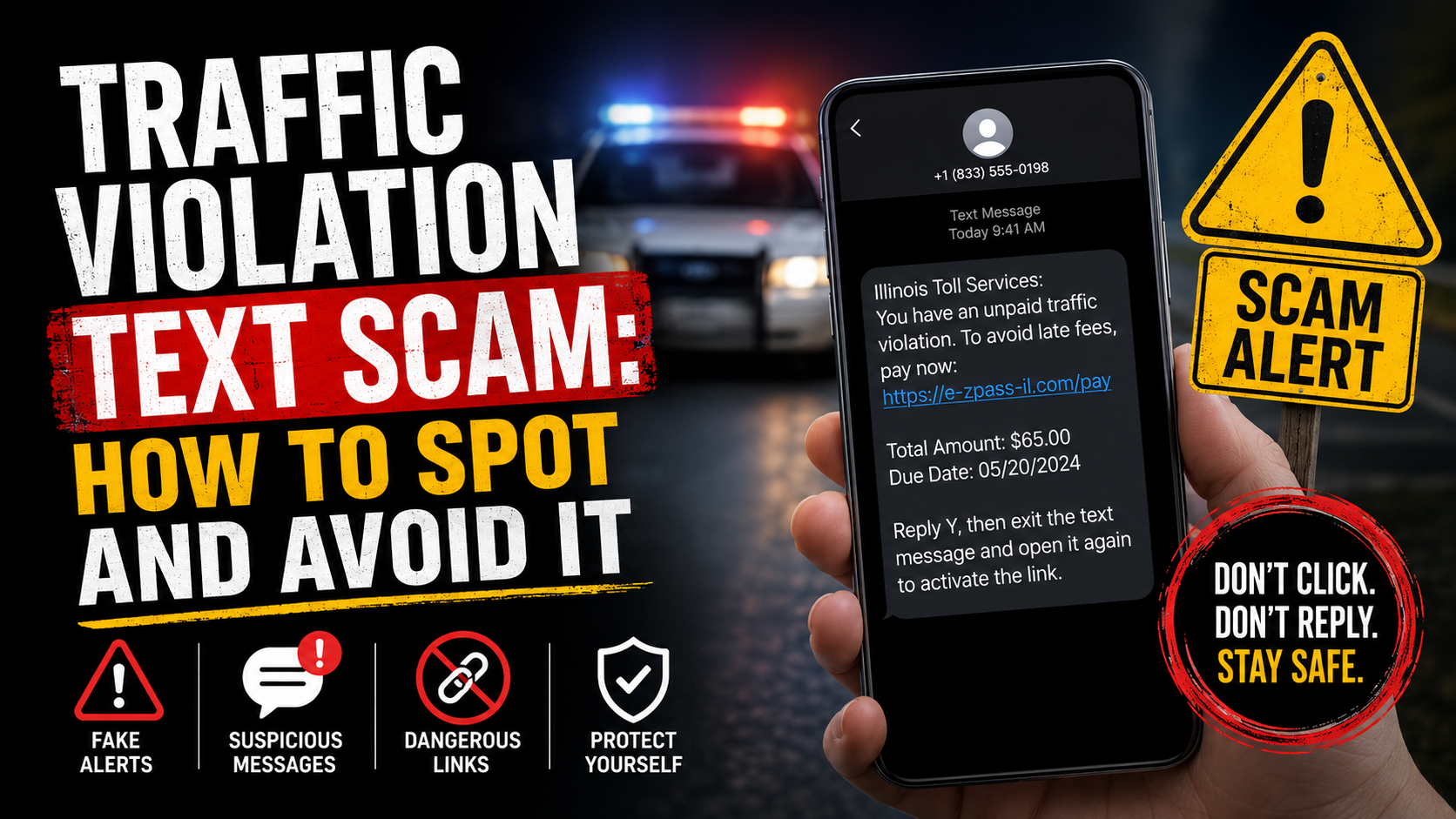
Scam Prevention: 10 Powerful Strategies to Protect Yourself
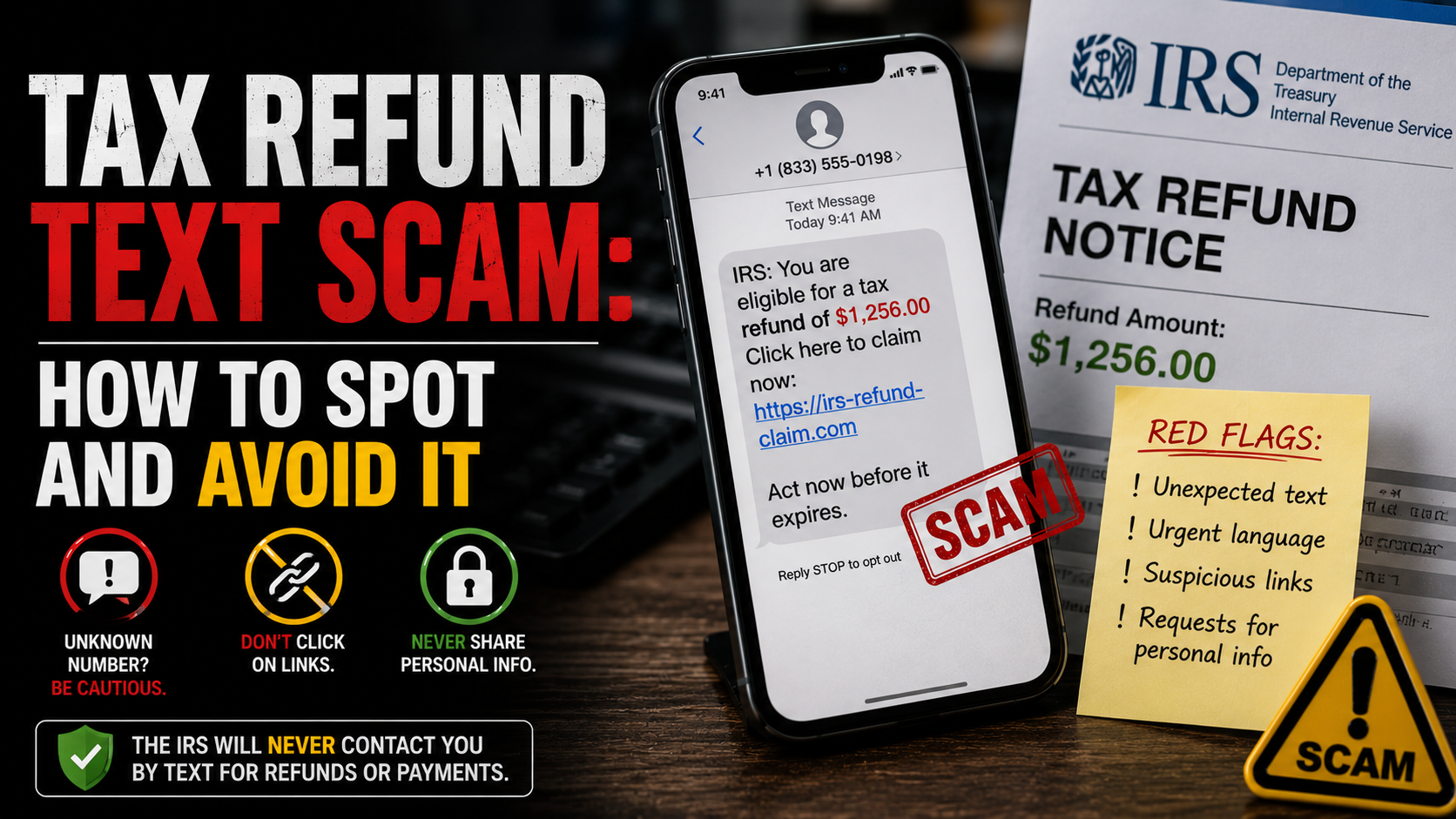
Effective scam prevention starts with recognising the warning signs before the fraud reaches you. This guide covers the cross-cutting red flags that appear across every scam type — phishing, romance fraud, investment fraud, toll smishing, and impersonation scams — and the concrete scam prevention steps that defeat them.
⚡ Quick Summary — Scam Prevention
- What it is: scam prevention is the set of habits, checks, and tools that stop fraud before it reaches you — covering every channel criminals use, from SMS and email to phone calls, social media, and fake websites
- Why it matters: the FTC received over 2.6 million fraud reports in 2023 alone; consumers who do not practise active scam prevention lose an average of $500 per incident, with older adults losing substantially more
- The three pillars: verify before you act (no legitimate authority demands instant payment without allowing verification), protect your personal data (it is the raw material for every downstream fraud), and report every attempt (your report closes the loop for the next potential victim)
- How scams reach you: unsolicited SMS/iMessage, email, social media DM, phone call, physical letter, or sponsored search ad — the channel changes, but the urgency-and-a-link playbook does not
- The golden rule: the sense of urgency is itself the red flag. Legitimate organisations always give you time to verify, pause, and call back on a number you found yourself — not one the message gave you
⚠️ Already Paid or Given Personal Details?
Act immediately: call your bank or card issuer using the number on the back of your card, freeze any compromised card, place a fraud alert with the credit bureaus, and report to the FTC at reportfraud.ftc.gov or the FBI at ic3.gov. Then jump to the What to Do If You Have Been Targeted section.
📋 Table of Contents
- What Is Scam Prevention?
- How Scams Work: The Universal Playbook
- The 10 Universal Scam Prevention Red Flags
- Scam Prevention Across the Five Major Scam Categories
- Real Stories: When Scam Prevention Saved the Day
- What Authorities Say
- Your Scam Prevention Action Plan
- What to Do If You Have Been Targeted
- Where to Report It
- Frequently Asked Questions
- Related Scam Guides
What Is Scam Prevention
Scam prevention is the practice of recognising and stopping fraudulent contact before any personal data, money, or access is surrendered. Unlike reactive fraud recovery — which happens after money has moved — scam prevention is proactive: it identifies the red flags of fraud at the point of first contact and interrupts the criminal’s playbook before the damage is done.
Scam prevention matters across every channel criminals use. A phishing email, a smishing text about an unpaid toll, a romance scammer on a dating app, a fake investment advisor on LinkedIn, and a HMRC impersonation robocall all share the same underlying structure. Scam prevention is the same skill applied to all of them — recognising urgency, implausibility, and look-alike fraud infrastructure before clicking, calling back, or paying.
The FTC received over 2.6 million fraud reports in 2023, with total losses exceeding $10 billion for the first time. The IC3 recorded over $12.5 billion in cybercrime losses in the same year. These numbers represent only a fraction of actual fraud, since fewer than 10% of scam victims report their losses to any authority. Scam prevention — stopping the fraud before it starts — is far cheaper and less damaging than recovery after the fact.
Scam prevention is not primarily a technology problem. Most successful frauds exploit human psychology — urgency, authority, fear, and greed — rather than technical vulnerabilities. A single scam prevention habit, like always verifying a caller’s identity before providing information, defeats the majority of social engineering attacks regardless of the channel the criminal uses.
This guide collects the cross-cutting red flags and scam prevention strategies that apply across all fraud types. For specific named scams, see our dedicated guides on phishing scams, romance scams, investment frauds, identity theft scams, and the US toll-smishing cluster starting with the RiverLink scam.
How Scams Work: The Universal Playbook
Understanding the universal scam playbook is the foundation of effective scam prevention. Regardless of the fraud type — phishing, romance, investment, impersonation, or toll smishing — every successful scam runs through the same six stages. Recognising any one of them is enough to trigger your scam prevention response and abort the fraud.
Stage 1: Contact and Hook
The criminal makes first contact through any available channel — SMS, email, social media, dating app, phone call, or physical letter. The message contains a hook: an unpaid fine, a prize won, a romantic connection, an investment opportunity, a security alert, or a delivery notification. The hook is chosen to feel plausible and personally relevant to the target.
Scam prevention at Stage 1: treat any unsolicited contact that wants something from you — payment, personal data, a click, or a callback — with heightened scepticism. Unsolicited contact is not proof of fraud, but it is the first signal that scam prevention habits should engage.
Stage 2: Authority and Legitimacy
The criminal then establishes false authority. They clone official logos, mimic the language of government agencies, use stolen photographs of real professionals, register look-alike domains, or spoof caller ID. The goal is to suppress the victim’s instinct to verify by making verification seem unnecessary — “of course this is real, look how official it is.”
Scam prevention at Stage 2: check the domain. Official UK government communications use .gov.uk. Official US government communications use .gov. Legitimate companies use their own registered domain. A wrong domain suffix, a hyphenated look-alike, or a free email provider (@gmail, @yahoo) instantly identifies the fraud regardless of how convincing the rest of the message looks.
Stage 3: Urgency and Threat
Every successful scam introduces urgency: “Pay within 24 hours to avoid late fees.” “Your account will be suspended.” “This offer expires tonight.” “Warrant issued if unpaid by end of day.” The urgency is artificial — designed to prevent the victim from pausing to verify. Scam prevention is most effective at this stage because urgency is the criminal’s most reliable tell.
Scam prevention at Stage 3: any contact that demands same-day action and prevents you from taking time to verify is a scam. Legitimate authorities always allow time to pay, appeal, or seek advice. Real banks do not demand you transfer funds within the hour. Real courts do not fine you by SMS. Real toll agencies do not expect payment within 24 hours of an SMS.
Stage 4: The Ask
The criminal makes the request: click this link and pay, provide your card details, transfer funds to this account, enter your login credentials, or share a one-time verification code. The ask is always proportionate enough to feel manageable — small fines, small “account verification” fees, small initial “investment” amounts. Scam prevention at Stage 4: legitimate organisations never ask for payment via SMS link, gift card, wire transfer, or cryptocurrency.
Stage 5: Execution and Harvest
If the victim complies, the criminal harvests what they can: card details, login credentials, funds, personal data, or some combination. The harvest is typically fast — card details are often tested within minutes of capture. Scam prevention that stops the fraud at any earlier stage prevents this entirely. At Stage 5, the only remaining scam prevention action is speed: contact your bank immediately.
Stage 6: Exploitation and Repeat
Harvested data is monetised and the victim’s contact details are sold to other criminal networks. This is why one scam often triggers a wave of follow-up attempts. Scam prevention at Stage 6 means reporting to the relevant authorities so the infrastructure can be taken down before the next victim cycle begins.
The 10 Universal Scam Prevention Red Flags
🚩 The 10 Universal Scam Prevention Red Flags
- 1. Unsolicited contact demanding action. Any unexpected message, call, or letter that wants you to pay, click, or provide data is a scam prevention trigger. Unsolicited contact combined with any demand — however small — requires verification before any response. The combination of unsolicited + demanding is the clearest cross-cutting red flag in scam prevention.
- 2. Artificial urgency or threats. “Pay within 24 hours.” “Account suspended immediately.” “Warrant issued by end of day.” Artificial urgency is the scammer’s primary tool because it disables verification. Scam prevention means recognising that urgency as manufactured — a deliberate attempt to stop you from taking the pause that would expose the fraud.
- 3. A wrong or look-alike domain. The URL does not match the claimed sender’s real domain. A government agency uses a .com; a bank’s link goes to bankname-secure-verify.net; a toll authority uses a hyphenated domain rather than its registered address. Domain verification is one of the most reliable single-point scam prevention checks available.
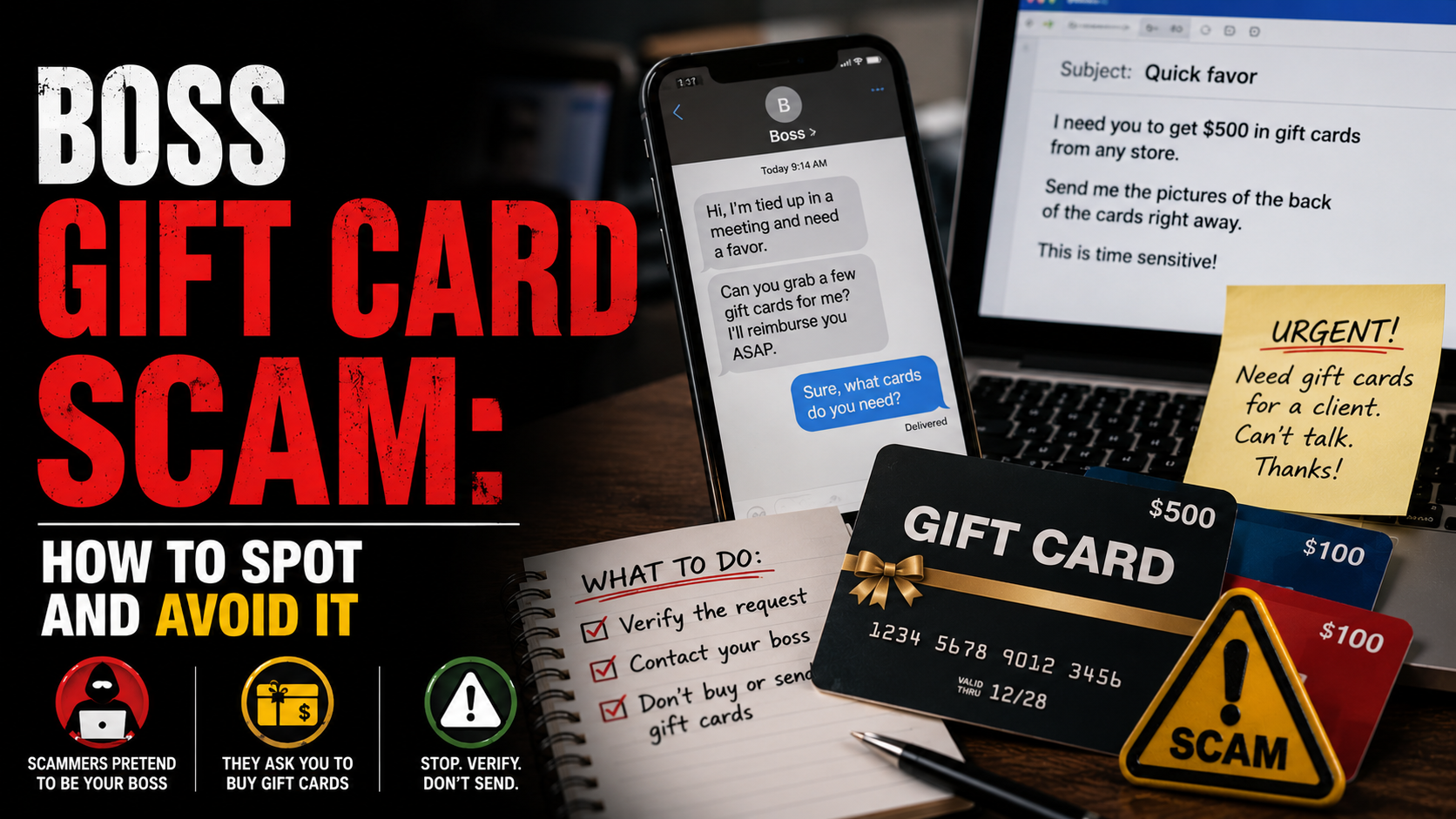
- 4. Requests for payment via unusual methods. Gift cards, wire transfers, cryptocurrency, prepaid debit cards, or direct bank transfers are requested instead of standard card payments or official payment portals. Legitimate organisations never request payment via these channels for routine transactions. This is the clearest financial red flag in scam prevention.
- 5. Requests for data that has no role in the stated purpose. A toll payment form asking for your date of birth or National Insurance number. A prize claim asking for your bank account login. An antivirus warning asking for remote access to your device. Any data request that exceeds what the stated purpose requires is a scam prevention trigger — it signals a secondary objective beyond the cover story.
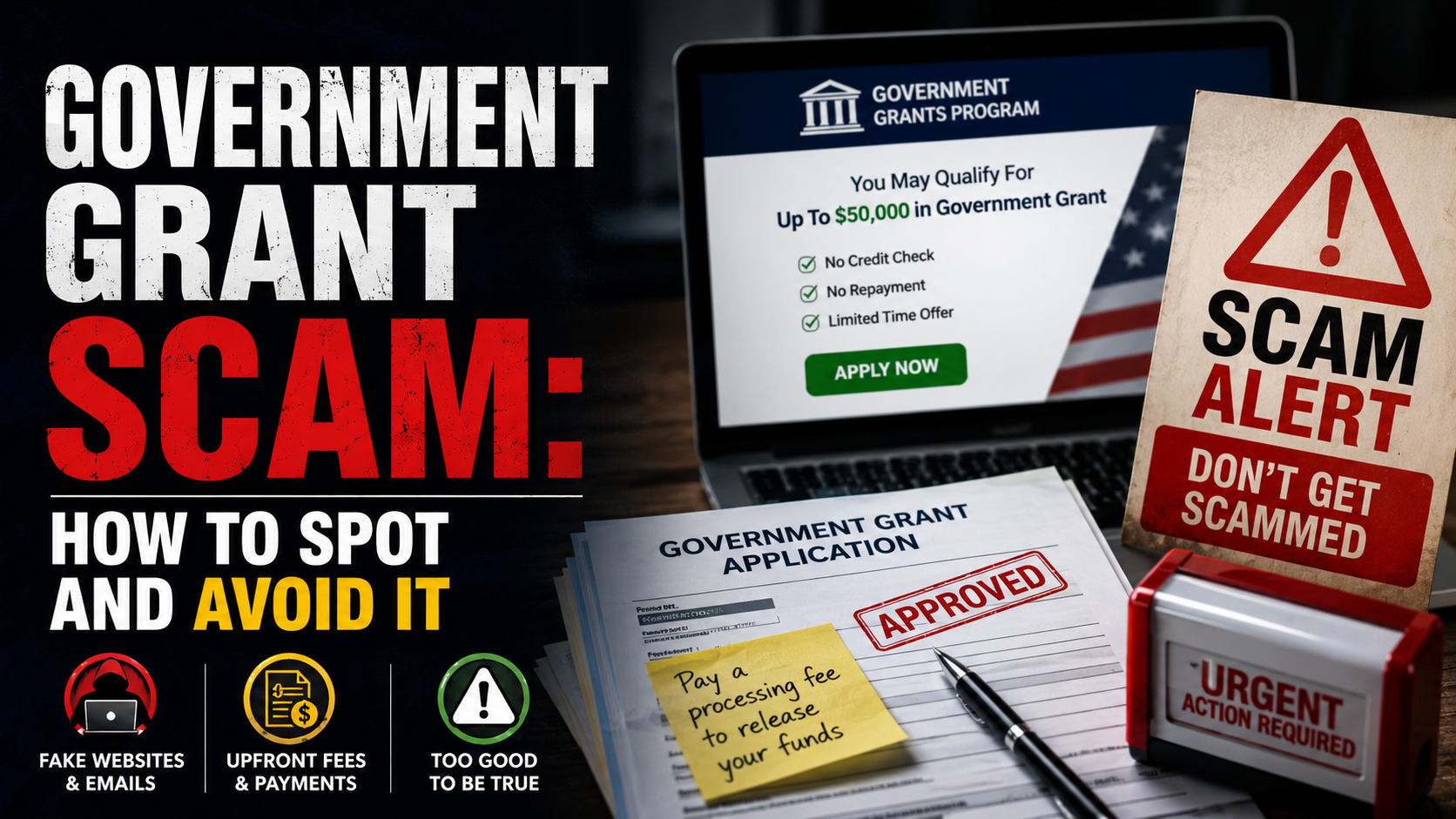
- 6. The “too good to be true” offer. Guaranteed investment returns with no risk. Prizes for contests you never entered. Romantic attention from unusually attractive strangers who fall in love very quickly. A job offer paying twice the market rate for minimal qualifications. Scam prevention: if the offer is implausibly good, the implausibility is the signal.
- 7. Pressure not to tell anyone or verify. “Do not tell your bank — they will block the transfer.” “This must be kept confidential.” “Do not verify this with anyone else.” No legitimate authority asks you to bypass verification. A specific instruction to avoid the standard verification step is among the most reliable red flags in scam prevention.
- 8. Sender identity that does not match the claimed organisation. The email is from a Gmail account but claims to be from HMRC. The caller ID shows a US state but the accent and details are inconsistent. The letter has a vague return address. Scam prevention includes verifying sender identity against the claimed organisation’s real contact details — found independently, not from the message itself.
- 9. A wave of similar contacts across different brands. You receive a toll smishing text on Monday, a fake DVLA text on Wednesday, and a bank impersonation call on Friday. The wave pattern indicates your contact details are on a criminal list being systematically worked. Scam prevention across a wave: report each instance to 7726 or the relevant authority, and freeze contact at the phone-number level.
- 10. Recovery offer following a previous scam. After being targeted by any fraud, you receive a contact claiming to be a “fraud recovery specialist” who can retrieve your lost funds for an upfront fee. This is a secondary fraud using the victim list from the primary scam. No legitimate recovery service charges upfront fees — all real recovery routes go through your bank, card issuer, the FTC, or Action Fraud.
Scam Prevention Across the Five Major Scam Categories
5 CategoriesThe universal red flags above apply across all fraud. But each major scam category has specific scam prevention touchpoints that make the fraud uniquely recognisable. These are the five categories covered in depth across this site, with the most important category-specific scam prevention signal for each.
Phishing and Smishing
The look-alike-link fraud categoryRomance Scams
The emotional manipulation categoryInvestment Fraud
The greed-and-urgency categoryIdentity Theft
The data-harvest categoryImpersonation Scams
The authority-clone categoryReal Stories: When Scam Prevention Saved the Day
The Accountant Who Paused Before the Wire Transfer
A 44-year-old accountant in Leeds received an email appearing to be from her company’s CFO, instructing her to process an urgent £42,000 wire transfer to a new supplier before the end of the business day. The email had the CFO’s name, the company logo, and a plausible supplier backstory. The only scam prevention check she ran: she called the CFO directly on his known mobile number before processing anything.
The CFO had never sent the email. The domain was a one-character look-alike of the company’s real domain, visible only on close inspection of the full email header. The accountant’s one phone call — the pause that scam prevention demands — saved the company £42,000. Authorised push payment fraud of this type costs UK businesses hundreds of millions annually, and almost every case could be stopped by a single verification call.
The lesson: the instruction not to verify — “this must be done urgently before end of day” — is itself the red flag. Scam prevention at the point of maximum urgency is the most valuable habit in any professional context.
The Retired Teacher Who Recognised the Recovery Scam
A 69-year-old retired teacher in Arizona had already lost $3,200 to a fake HMRC phone scam six months earlier. When she received a new call from a “fraud recovery specialist” claiming they had located her funds and could return them for a $400 administration fee, she recognised the pattern from a scam prevention article she had read after the first incident.
She told the caller she would need to call back via a number she verified herself, then hung up and reported the contact to the FTC. The “recovery specialist” was a second-tier fraud operation working from the victim list of the original scam. The fee would have disappeared with no recovery ever materialising.
The lesson: scam prevention education received after a first victimisation is still valuable — it prevented a second loss. And the specific scam prevention rule — “no legitimate recovery service charges upfront fees” — is one of the most important single facts to share with older relatives who have been targeted before.
The Student Who Verified Before the Crypto Transfer
A 21-year-old university student in Manchester received a direct message on Instagram from an account claiming to be a friend who had discovered a “crypto arbitrage opportunity” with guaranteed 300% weekly returns. The account had copied the friend’s photos and name convincingly. The student almost transferred £500 in Bitcoin as an initial entry.
Scam prevention: he texted his friend on a different platform before transferring anything. The friend had never sent the message — his account had been cloned. The student lost nothing. The cloned-account investment fraud has spread across every social media platform and targets young adults who are both comfortable with crypto and more likely to receive investment tips from social contacts.
The lesson: any investment opportunity that arrives via social media — even from an apparent friend — should be verified via a separate communication channel before any funds move. Scam prevention in the social media era requires a verification habit that crosses the channel boundary.
What Authorities Say
Consumer protection and law enforcement agencies across the UK and US publish consistent scam prevention guidance. Their core messages converge on the same set of principles regardless of the fraud type.
The Federal Trade Commission (FTC) publishes scam prevention guidance at consumer.ftc.gov and runs the fraud reporting portal at reportfraud.ftc.gov. The FTC’s headline scam prevention rules: spot imposters, do not believe your caller ID, never pay upfront for a promised prize, never pay via gift card or wire transfer, and hang up on robocalls. All four rules are expressions of the same underlying scam prevention principle — verify identity and method before acting.
The FBI’s Internet Crime Complaint Center (IC3) records and investigates cybercrime including online fraud. The IC3’s annual crime reports document the scale of losses and the most common fraud types. Their scam prevention emphasis: verify email senders carefully, never wire funds based solely on emailed instructions, and report immediately if you suspect a wire transfer was fraudulent — speed of reporting is a major factor in fund recovery.
Action Fraud, the UK’s national fraud reporting centre, and the National Cyber Security Centre (NCSC) jointly issue the Suspicious Email Reporting Service (SERS) and the 7726 SMS reporting code as scam prevention infrastructure. Their guidance: forward suspicious emails to report@phishing.gov.uk and forward suspicious SMS to 7726. Both services feed into active takedown operations against phishing and smishing infrastructure.
The Financial Conduct Authority (FCA) in the UK maintains the ScamSmart campaign and the Financial Services Register. The FCA’s scam prevention guidance for investment fraud is unambiguous: check the firm is on the FCA register at register.fca.org.uk before investing anything. An unregistered firm cannot lawfully offer financial products in the UK — its absence from the register is definitive proof of fraud.
Your Scam Prevention Action Plan
1. Verify Every Unexpected Contact Independently
The most powerful single scam prevention habit: never use a contact number, link, or email address provided in the suspicious message to verify. Find the real contact details yourself — from the official website, the back of your bank card, or a number you have used before — and call or visit directly.
This one habit defeats the majority of phishing, smishing, impersonation, and vishing attacks because it breaks the criminal’s control of the verification channel. A scammer who controls the link and the callback number cannot survive a victim who finds the number independently.
2. Apply the Gift-Card Test to Every Payment Request
An effective scam prevention check: ask whether the requested payment method would be accepted by a legitimate organisation for this transaction. No government agency, toll authority, bank, or regulated business accepts gift cards, cryptocurrency, or wire transfers for routine payments. Any request for these methods — regardless of the cover story — is fraud.
Teaching this single rule to elderly relatives is one of the highest-impact scam prevention interventions available. The gift-card test stops elder fraud, grandparent scams, fake utility disconnection calls, and fake government fine demands with a single question.
3. Enable Two-Factor Authentication on Every Financial Account
Two-factor authentication (2FA) is the most effective technical scam prevention measure for account takeover fraud. Even if a criminal obtains your password through phishing or a data breach, 2FA prevents login without access to your second factor — typically your phone or a hardware key.
Enable 2FA on email, banking, investment, and social media accounts at minimum. Use an authenticator app (Google Authenticator, Microsoft Authenticator) rather than SMS-based 2FA where possible — SIM-swap fraud can bypass SMS-based codes but cannot bypass app-based codes.
4. Freeze Your Credit File Proactively
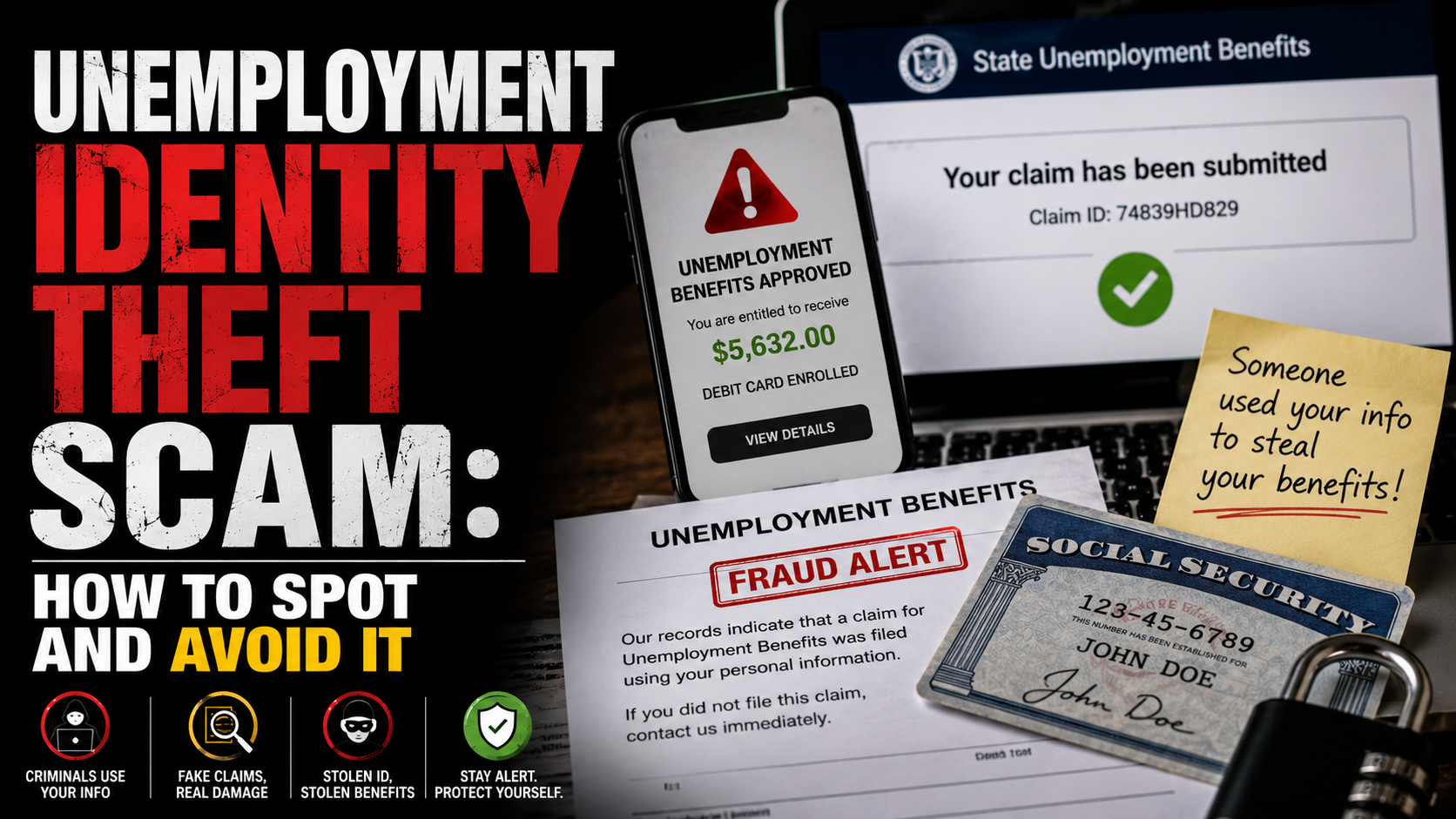
A credit freeze is a scam prevention measure that prevents any new credit account being opened in your name without your explicit unfreezing. In the US, freeze your credit at Experian, Equifax, and TransUnion — all three, not just one. In the UK, use Cifas Protective Registration as the equivalent first-line measure.
A freeze does not affect existing credit, employment checks, or insurance applications. It is free in the US and costs a small annual fee in the UK through Cifas. For identity-theft-heavy fraud, a proactive freeze is the most durable single scam prevention measure available.
5. Report Every Attempt — Not Just the Successful Ones
Reporting is scam prevention for the next victim. When you forward a smishing text to 7726 or report a phishing email to report@phishing.gov.uk (UK) or reportphishing@apwg.org (US), the data feeds into network-level blocking and domain-takedown operations. The same domains and sender IDs are used in waves across millions of recipients.
Reporting a failed attempt stops it reaching the next potential victim. Scam prevention is a collective action problem — your report plus a thousand others creates the dataset that shuts down the infrastructure.
6. Share This Guide with One Person Who Needs It
The most cost-effective scam prevention intervention for families: share the gift-card test and the “urgency is the red flag” rule with one elderly relative or vulnerable person in your network. The criminals’ targeting data shows that older adults, recent fraud victims, and people experiencing financial stress are the highest-risk groups.
A five-minute conversation — “no real authority demands gift-card payment” and “take the pause and call me first” — is worth more than any technical scam prevention measure for the people who need it most.
What to Do If You Have Been Targeted
If scam prevention was not enough and you have already provided data or made a payment, act quickly. Speed is the most important variable in limiting damage. The steps below apply whether you gave card details, transferred funds, provided personal data, or gave remote access to your device.
Contact your bank or card issuer immediately
Call the number on the back of your card and report the fraudulent transaction. Request a card freeze, a chargeback for any fraudulent charges, and a new card number. For bank transfers, ask about the UK Authorised Push Payment (APP) fraud scheme or the US wire recall process — both require fast action to maximise recovery odds.
Do not wait to see if fraudulent charges appear before calling. If you provided card details through a phishing form, call immediately even if you have not seen charges yet — the card details are likely already being tested or sold.
Report to the relevant authority
In the US: file at reportfraud.ftc.gov and ic3.gov. Forward smishing texts to 7726. In the UK: report at actionfraud.police.uk or call 0300 123 2040. Forward suspicious emails to report@phishing.gov.uk and smishing texts to 7726.
Include the sender number, the message content, any domain or link, and any amount paid. These reports are used to coordinate takedowns and public warnings — even if no individual recovery results, the report stops the same infrastructure harming the next victim.
Protect your identity
If you provided name, address, date of birth, National Insurance number, Social Security number, or driving licence number, place a fraud alert with the credit bureaus immediately. In the US: Experian, Equifax, TransUnion — free initial 90-day alert, or apply for a seven-year extended alert for confirmed victims. In the UK: sign up for Cifas Protective Registration.
Check your credit file for any unauthorised inquiries or new accounts. Visit IdentityTheft.gov (US) for a personalised recovery checklist, or contact Citizens Advice (UK) for equivalent guidance.
Secure your accounts
Change the password on any account where you entered credentials. Enable 2FA on all financial, email, and social media accounts if not already active. Check for unfamiliar devices or sessions in your account security settings and remove any you do not recognise. If you gave remote access to your device, run a full antivirus scan and consider a factory reset.
Consider whether any other accounts use the same password as the compromised one — if so, change those too. A password manager makes non-repeated strong passwords practical across all accounts and is one of the most effective long-term scam prevention investments available.
Watch for follow-up recovery scams
Victim lists from successful frauds are routinely sold to secondary criminal operations that run recovery scams — cold calls claiming to represent “fraud recovery specialists,” solicitors, or government agents who can retrieve your funds for an upfront fee. Legitimate recovery routes (bank chargeback, FTC, Action Fraud) are all free. Any recovery contact demanding upfront payment is a fraud.
Also watch for follow-up phishing attempts that reference the original fraud with specific details — the criminals who sold your data may have included those details, which the buyer uses to appear credible in a second approach.
Where to Report It
Reporting fraud helps authorities take down the infrastructure, warn future victims, and pursue the criminal networks behind the campaigns. Use all relevant channels for your jurisdiction — they feed different systems.
Frequently Asked Questions
Stay One Step Ahead of Scammers
Explore our specific scam guides — each one covers the warning signs and scam prevention steps for a named fraud type.