Indian Scammer Names: The Real DOJ Case Behind the Headlines
“Indian scammer names” often refers to a specific, well-documented case: a Southern District of Texas prosecution that convicted dozens of people for operating India-based call centers that impersonated the IRS and immigration officials to defraud thousands of US residents. This guide explains the real, court-verified Indian scammer names case, the tactics used, and how to recognise and report this type of fraud.
⚡ Quick Summary — Indian Scammer Names
- What it is: the real story behind “Indian scammer names” is a court-documented case in which dozens of defendants ran India-based call centers that impersonated IRS and immigration officials, defrauding thousands of US residents of hundreds of millions of dollars between 2012 and 2016
- Why it matters: understanding the verified Indian scammer names case, rather than unsourced name lists circulating online, helps people recognise the actual tactics used — impersonation, fabricated tax debts, and pressure to pay by gift card or wire transfer
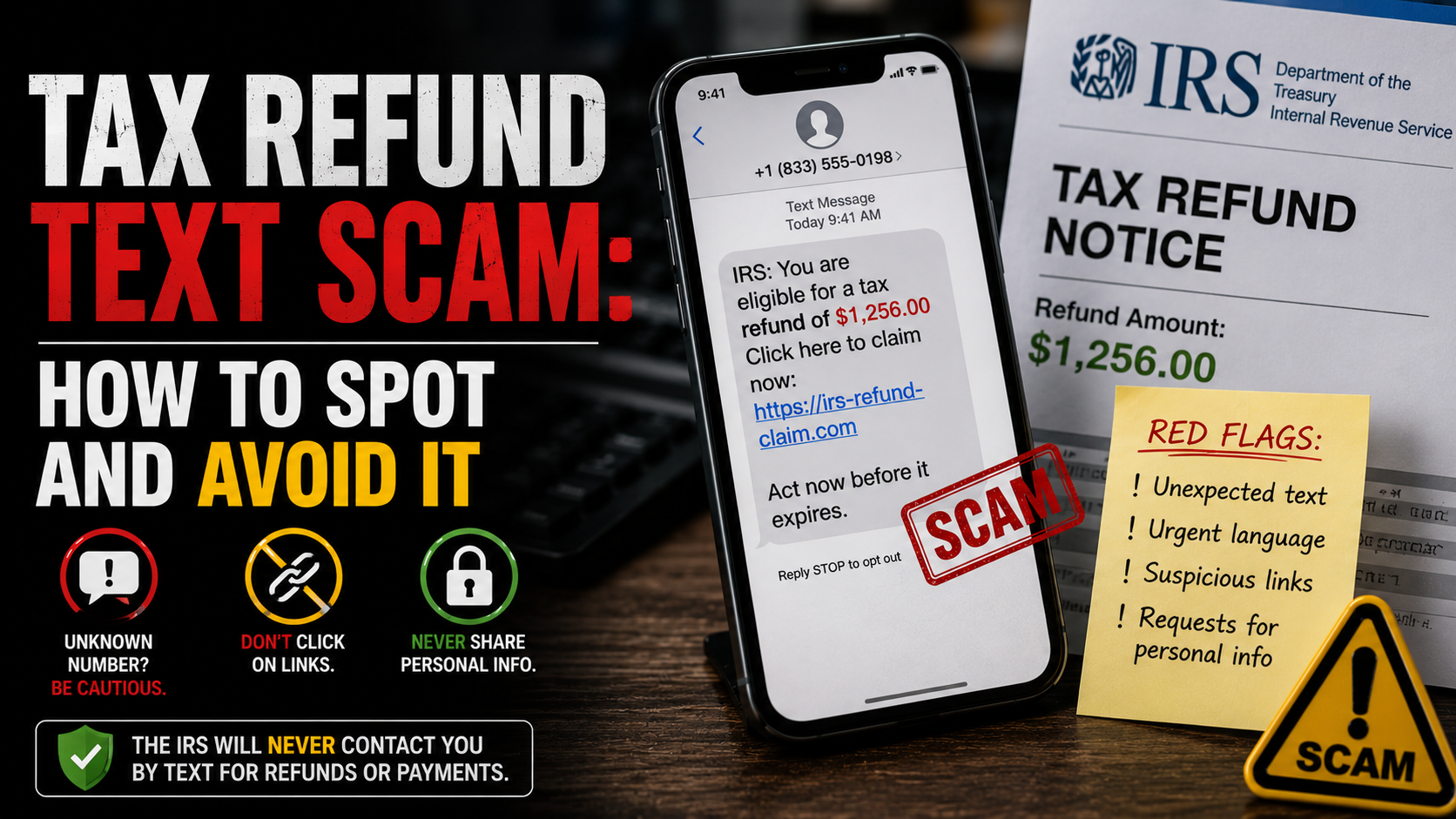
- The biggest three tactics used: impersonating IRS or immigration officials, threatening arrest or deportation unless an alleged debt was paid immediately, and demanding payment through gift cards, prepaid cards, or wire transfers
- How it reached victims: unsolicited phone calls using VoIP technology to mask location, often targeting elderly and vulnerable individuals using data purchased from data brokers
- The golden rule: the IRS and immigration agencies never demand immediate payment by phone, never threaten instant arrest, and never ask for gift cards — any call doing so follows the pattern behind the real Indian scammer names case, regardless of the caller’s stated name
⚠️ Already Paid Someone Claiming to Be the IRS or Immigration?
If you have made a payment after a call threatening arrest, deportation, or legal action over unpaid taxes, contact your bank or card provider immediately to attempt a reversal, and report it to the Treasury Inspector General for Tax Administration (TIGTA) and the FTC. Jump to the What to Do If You Have Been Targeted section.
📋 Table of Contents
- What Is the Real Case Behind Indian Scammer Names?
- How the Indian Scammer Names Scheme Worked, Step by Step
- The 10 Warning Signs of This Type of Fraud
- Call Center Fraud Variants
- The Verified Case: Key Facts From the Court Record
- What Authorities Say
- How to Protect Yourself
- What to Do If You Have Been Targeted
- Where to Report It
- Frequently Asked Questions
- Related Scam Guides
What Is the Real Case Behind Indian Scammer Names
The phrase Indian scammer names is often used loosely online, but it traces back to a specific, verifiable case: a federal indictment returned by a grand jury in the Southern District of Texas in October 2016, charging 61 individuals and five India-based call centers with wire fraud, money laundering, and related offences.
According to the US Department of Justice, between 2012 and 2016, defendants operating call centers based in Ahmedabad, India, impersonated officials from the IRS and US Citizenship and Immigration Services (USCIS) to defraud thousands of victims across the United States, with losses estimated as high as $300 million. This case is the real source for most legitimate discussion of Indian scammer names online.
Real, named, convicted defendants tied to this verified Indian scammer names case include Hitesh Madhubhai Patel, who pleaded guilty to operating and funding several of the call centers; Rajesh Bhatt, also known by the alias Mike Joshi, sentenced to 145 months in prison; Viraj Patel, sentenced to 165 months; Fahad Ali; and Montu Barot, among dozens of others. These names and sentences are documented in official DOJ press releases, not anonymous online lists.
It is important to be precise about Indian scammer names claims generally: the verified case involves specific, named, convicted individuals tied to one documented conspiracy. It does not mean that any particular common Indian name is inherently associated with fraud, and unverified lists of Indian scammer names circulating online should be treated with the same scepticism as any unsourced claim.
This case sits within the wider category of impersonation and government-agency fraud. Our phishing scam guide covers related impersonation techniques used to extract money and data from victims, often using the same tactics seen in the Indian scammer names case.
How the Indian Scammer Names Scheme Worked, Step by Step
According to the factual admissions in the defendants’ guilty pleas, the scheme behind the real Indian scammer names case followed a consistent sequence across thousands of calls.
Step 1: Data Acquisition
Call center operators in the Indian scammer names case used information obtained from data brokers and other sources to identify and target potential victims, often selecting elderly and vulnerable individuals who were judged more likely to comply with threats.
Step 2: The Impersonation Call
Callers, using Voice over Internet Protocol (VoIP) technology to mask their true location, impersonated officials from the IRS or US Citizenship and Immigration Services, claiming the victim owed back taxes or had an immigration violation.
Step 3: The Threat
Victims were threatened with immediate arrest, imprisonment, fines, or deportation unless they paid the alleged debt right away. This fabricated urgency, central to the Indian scammer names scheme, was designed to prevent victims from verifying the claim independently.
Step 4: The Payment Instruction
Victims were instructed to pay using general purpose reloadable cards or wire transfers, methods that are difficult to trace or reverse compared with standard bank or credit card payments.
Step 5: Laundering the Proceeds
Once payment was made, US-based “runners,” recruited and managed by co-conspirators, would liquidate the funds from reloadable cards and move the proceeds through bank accounts, ultimately funnelling money back to the operators in India who organised the Indian scammer names scheme.
Step 6: Investigation and Prosecution
The Indian scammer names case was investigated by Homeland Security Investigations, the DHS Office of Inspector General, and the Treasury Inspector General for Tax Administration, leading to a 2016 indictment and subsequent guilty pleas, convictions, and sentences for dozens of defendants in both the United States and India.
The 10 Warning Signs of This Type of Fraud
🚩 The 10 Warning Signs From the Indian Scammer Names Case
- 1. A claim that you owe back taxes by phone. The IRS does not initiate contact about a tax debt by phone call. Any unsolicited call claiming this follows the Indian scammer names pattern documented in court, regardless of the caller’s stated name.
- 2. Threats of immediate arrest or deportation. Real government agencies do not threaten instant arrest or deportation over the phone for an alleged debt. This threat was a core tactic in the verified Indian scammer names scheme.
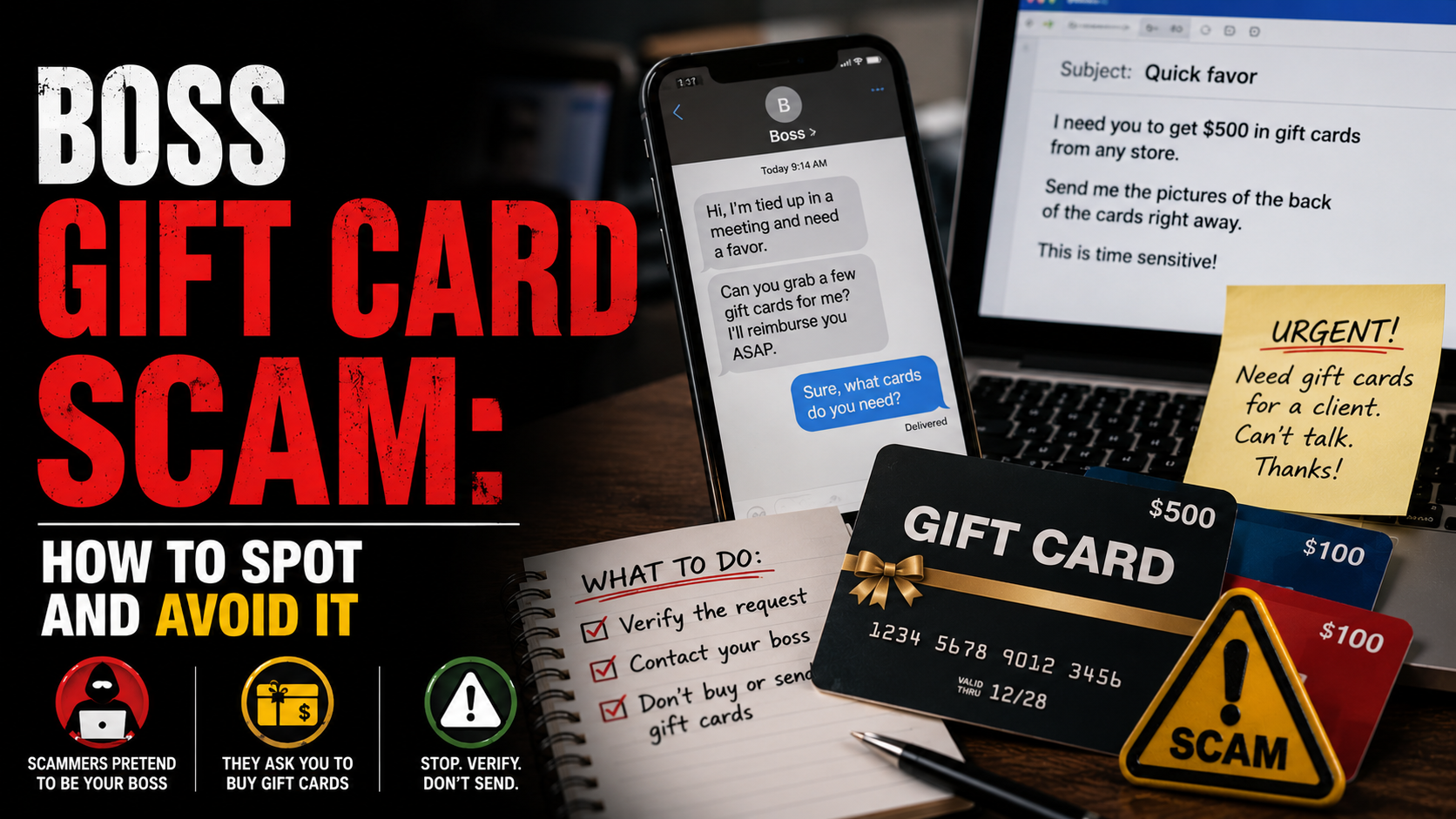
- 3. Demands for payment by gift card or reloadable card. No legitimate government agency accepts payment via gift cards or general purpose reloadable cards. This was the primary payment method used in the documented Indian scammer names case.
- 4. Pressure to pay immediately without verification. Genuine debts allow time to verify and respond in writing. Refusal to let a victim hang up and call back through an official number is a clear warning sign seen throughout this case.
- 5. Caller ID or accent used to appear Western. The Indian scammer names case showed operators using VoIP to mask location, not necessarily relying on a deceptive accent. Caller ID can be spoofed regardless of the caller’s actual identity or origin.
- 6. Use of a name that does not match any official directory. Government employees can be verified. If a caller refuses to provide a badge or employee number you can verify independently, treat the call as fraudulent.
- 7. Requests for wire transfers to unfamiliar accounts. Wire transfers to personal accounts, rather than official government payment channels, were central to how proceeds were moved in the Indian scammer names scheme.
- 8. Targeting of elderly or vulnerable individuals. The Indian scammer names case specifically used data broker information to target those judged more likely to comply, a pattern consistent with elder-fraud cases generally.
- 9. A “runner” network collecting funds domestically. Part of the Indian scammer names scheme’s structure involved US-based individuals collecting and laundering funds, illustrating that the fraud often has a domestic component, not just an overseas one.
- 10. Refusal to send anything in writing. Legitimate government correspondence about tax or immigration matters comes by official mail. A purely verbal, phone-only demand for immediate payment is inconsistent with how real agencies operate.
Call Center Fraud Variants
5 VariantsThe verified Indian scammer names case involved IRS impersonation specifically, but it sits alongside several related call center fraud variants. These five share a similar structure but differ in the impersonated authority or pretext used.
IRS Impersonation
The Indian scammer names case variantImmigration / USCIS Impersonation
The deportation-threat variantTech Support Impersonation
The remote-access variantLottery or Prize Fraud
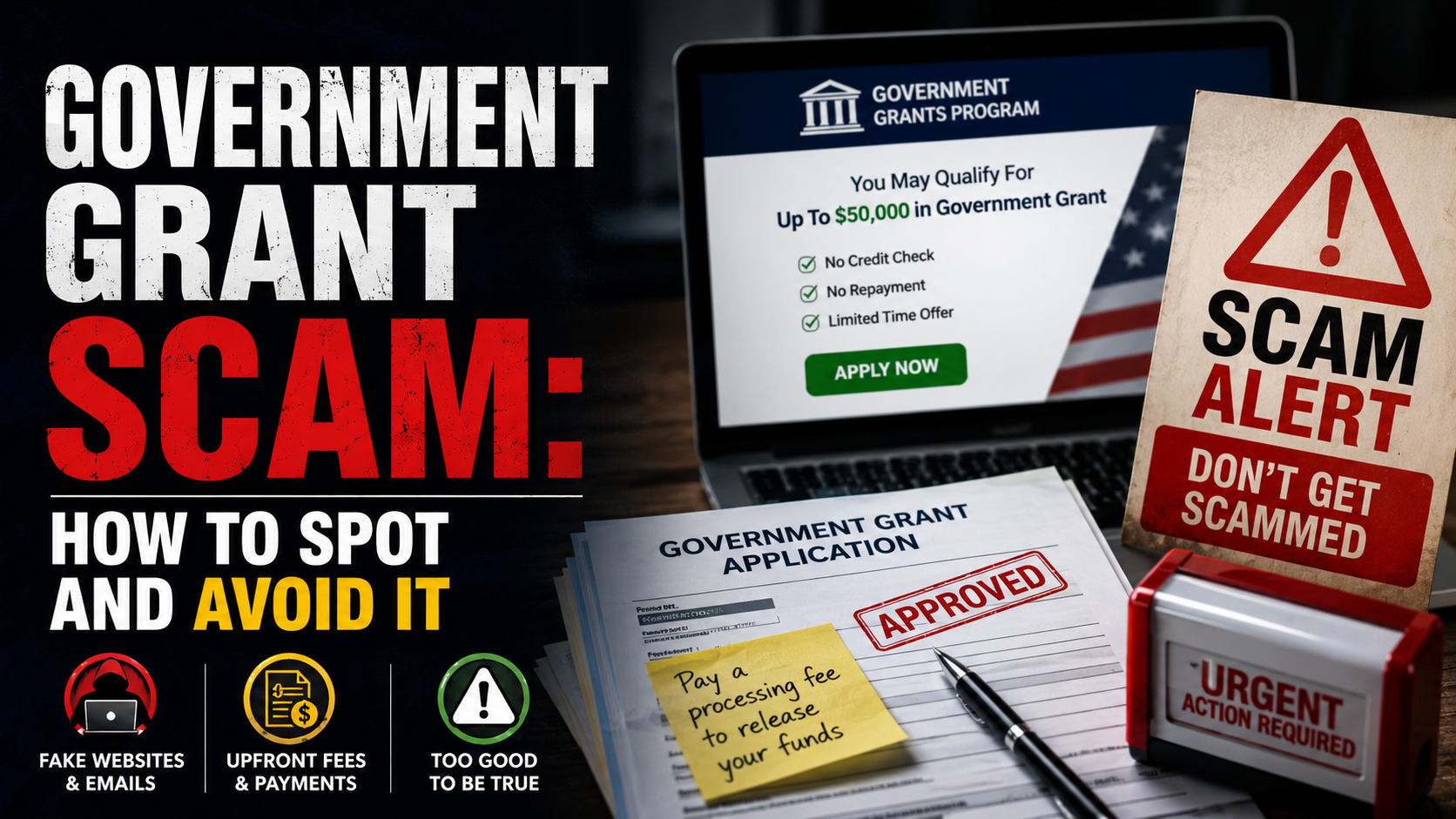
The advance-fee variantLoan or Grant Fraud
The upfront-fee variantThe Verified Case: Key Facts From the Court Record
The Scale of the Conspiracy
According to the Department of Justice, the Indian scammer names scheme involved five India-based call centers and at least 61 charged individuals, operating between 2012 and 2016. Estimates of total losses to US victims have been put as high as $300 million, with thousands of people defrauded across the country.
The lesson: the real Indian scammer names case was not a small, isolated operation but a large, organised conspiracy with a documented structure spanning two countries, which is precisely why it generated such extensive prosecution and media coverage.
The Sentencing Outcomes
Court records from the Indian scammer names case show real, significant consequences: Rajesh Bhatt, also known as Mike Joshi, was sentenced to 145 months in prison; Viraj Patel received 165 months; Sunny Joshi received 151 months. Hitesh Madhubhai Patel, described by a co-defendant as the scheme’s top figure in India, was extradited from Singapore and pleaded guilty.
The lesson: the Indian scammer names case carried severe, real-world legal consequences for those convicted, underscoring both the seriousness of the crime and the eventual reach of law enforcement, even for India-based operators.
The Domestic Runner Network
The Indian scammer names case also revealed a US-based network of “runners” who liquidated and laundered the fraud proceeds domestically, often using victims’ misappropriated personal information to register reloadable cards. Several runners, including Rajubhai Patel and Ashvinbhai Chaudhari, were separately convicted for this role.
The lesson: large-scale telefraud schemes like the one behind the Indian scammer names case frequently rely on domestic accomplices to move money, meaning the fraud’s “local” footprint is often larger than victims realise.
What Authorities Say
US federal authorities pursued the Indian scammer names case extensively and have used it as a reference point for ongoing public warnings about IRS and immigration impersonation fraud.
The US Department of Justice prosecuted the case through the Southern District of Texas, securing guilty pleas and sentences for dozens of defendants, with investigative support from Homeland Security Investigations, the DHS Office of Inspector General, and the Treasury Inspector General for Tax Administration (TIGTA).
The Internal Revenue Service states clearly that it will first contact taxpayers about a tax debt by mail, not by an unsolicited phone call demanding immediate payment, and that it never asks for payment via gift cards or prepaid debit cards — directly contradicting the tactics used in the Indian scammer names scheme.
The Federal Trade Commission (FTC) continues to warn the public about government-impersonation scams generally, advising that no real government agency threatens immediate arrest over the phone or demands payment through untraceable methods, the same pattern documented in the Indian scammer names case.
How to Protect Yourself
Know How the IRS Actually Contacts Taxpayers
The IRS initiates most contact about a tax debt by mail, not by phone. A call claiming you owe back taxes and demanding immediate payment does not match how the agency actually operates, regardless of how official the caller sounds or what name they give.
Never Pay Government Debts With Gift Cards or Wire Transfers
No legitimate government agency accepts gift cards, prepaid debit cards, or wire transfers as payment for taxes, fines, or immigration fees. A demand for these payment methods is a definitive sign of fraud matching the Indian scammer names pattern.
Hang Up and Verify Independently
If you receive a call claiming to be from the IRS, USCIS, or any government agency, hang up and call the agency back using a number you find independently through its official website, not one provided by the caller.
Be Sceptical of Any Unverified “Scammer Name” List
Treat unsourced online lists claiming to identify Indian scammer names with caution. Verify claims against official court records, such as Department of Justice press releases, before treating any specific name as confirmed rather than speculative.
Protect Vulnerable Family Members
Elderly relatives were specifically targeted in the Indian scammer names case. Talk openly with older family members about these tactics and encourage them to verify any unexpected government call with a trusted family member before acting.
What to Do If You Have Been Targeted
If you have received a call matching the Indian scammer names pattern, or have already made a payment, the steps below are ordered by urgency.
Stop all contact and do not pay
End the call and do not provide any payment, gift card numbers, or personal information. Genuine government debts do not require instant resolution over the phone.
Contact your bank if you already paid
If you have already sent money, contact your bank or card provider immediately to ask about reversing the transaction, particularly if payment was made by wire transfer, where speed matters most.
Report to TIGTA for IRS impersonation
Report the call to the Treasury Inspector General for Tax Administration, the body responsible for investigating IRS-impersonation fraud of the kind documented in the Indian scammer names case.
File a complaint with the FTC
Report the incident to the Federal Trade Commission, including the phone number used, any name given, and details of what was demanded, to support broader law-enforcement tracking of these schemes.
Report to the FBI’s Internet Crime Complaint Center
If the fraud involved online elements or significant financial loss, file a report with IC3, which can connect related complaints across a wider investigation.
Where to Report It
Reporting government-impersonation calls through the right channel supports active investigations and helps prevent further victims of schemes like the Indian scammer names case.
Frequently Asked Questions
Received a Call Claiming to Be the IRS or Immigration?
Do not pay and do not provide personal information. Hang up, verify independently through official channels, and report the call to TIGTA and the FTC.