
Imposter Scam Warning Signs: How to Spot and Avoid It
Imposter fraud has been America’s number one scam category for nine years running, with $3.5 billion in losses in 2025. These are the imposter scam warning signs that identify the fraud before it takes your money — the imposter scam warning signs every consumer should know.
⚡ Quick Summary — Imposter Scam Warning Signs
- What they are: the imposter scam warning signs are the specific red flags that identify a fraudulent communication from someone pretending to be a trusted person or organisation
- Why they matter: imposter fraud has been the number one US scam category for nine consecutive years — $3.5 billion in losses in 2025 alone
- The biggest three: of all the imposter scam warning signs, three matter most — unexpected contact, extreme urgency, and a demand for payment in gift cards, wire transfers, or cryptocurrency
- How they reach you: spoofed government calls, AI-cloned family voices, fake Amazon and Microsoft pop-ups, deepfake celebrity endorsements
- The golden rule: hang up and call back on a number you sourced yourself — no exceptions
⚠️ Got a Suspicious Call Right Now?
Do not act on the caller’s instructions — apply the imposter scam warning signs first. Hang up, find the organisation’s real number independently — from your bank card, the official website, or a directory — and call them back. Then jump to the What to Do If You Have Been Targeted section below.
📋 Table of Contents
- What Are Imposter Scam Warning Signs?
- How Imposter Scams Work, Step by Step
- The 10 Imposter Scam Warning Signs
- Imposter Scam Variants
- Real Stories: When the Signs Were Missed
- What Authorities Say
- How to Protect Yourself
- What to Do If You Have Been Targeted
- Where to Report It
- Frequently Asked Questions
- Related Scam Guides
What Are Imposter Scam Warning Signs
The imposter scam warning signs are the specific indicators that distinguish a fraudulent communication — from someone pretending to be a trusted person or organisation — from a genuine one. Understanding these warning signs is critical because imposter scams are specifically designed to appear legitimate. The entire architecture of an imposter scam is built around suppressing suspicion, not triggering it. Recognising the imposter scam warning signs requires knowing what to look for even when everything appears normal.
An imposter scam is any fraud in which a criminal pretends to be someone else — a government official, a bank representative, a tech support agent, a family member in crisis, a lottery organisation, or even a well-known corporation — in order to steal your money or personal information. The imposter scam warning signs are consistent across every variant because every imposter scam, regardless of the specific disguise used, relies on the same fundamental psychological mechanisms: impersonating a trusted authority, creating urgency and fear, and demanding immediate payment or personal information before the victim has time to think.
The imposter scam warning signs have become harder to identify in 2026 because the technology available to fraudsters has dramatically improved. Caller ID spoofing makes fake calls appear to come from genuine government agencies or banks. AI voice cloning creates phone calls that sound exactly like family members or public figures. Deepfake videos show trusted celebrities and experts apparently endorsing fraudulent services. Despite these advances, the core imposter scam warning signs remain consistent — and recognising them is still entirely possible for any informed consumer.
How Imposter Scams Work, Step by Step
Almost every imposter scam follows the same six-stage pattern. Recognising the structure makes the individual imposter scam warning signs easier to spot in the moment.
Step 1: Choosing and Impersonating a Trusted Identity
Every imposter scam begins with the criminal selecting an identity to impersonate — one that carries sufficient authority or emotional significance to cause the target to comply. The most commonly impersonated identities include government agencies such as the IRS, Social Security Administration, Medicare, FTC, and Customs and Border Protection; financial institutions including banks, PayPal, and cryptocurrency exchanges; technology companies including Amazon, Microsoft, Apple, and Google; and personal contacts including family members in crisis, romantic partners, and employers. The chosen identity is selected based on what is most likely to produce the specific emotional response — fear, urgency, or trust — needed to advance the fraud.
Step 2: Making Contact
The imposter scam makes contact through whatever channel is most effective for the identity being impersonated. Government impersonators typically call by phone, often displaying a spoofed number that matches the genuine agency. Bank impersonators use phone calls and SMS messages appearing in the genuine bank thread. Tech company impersonators use computer pop-ups, emails, and phone calls. Family emergency impersonators call directly. The contact is always unsolicited — the victim was not expecting it — and always creates an immediate emotional reaction that the subsequent steps are designed to exploit.
Step 3: Establishing False Credibility
Immediately after contact, the imposter scam operator works to establish that they are who they claim to be. This is done through a combination of prior knowledge — the caller may already know the victim’s name, address, partial account numbers, or recent transaction details sourced from data breaches — and official-sounding language, reference numbers, case numbers, and employee identification. The combination of a matching caller ID, prior personal knowledge, and authoritative language is extremely effective at suppressing the victim’s natural scepticism — and at masking every one of the imposter scam warning signs.
Step 4: Creating Urgency and Fear
With credibility established, the imposter scam creates extreme urgency. The IRS impersonator warns of imminent arrest if back taxes are not paid today. The bank impersonator warns of fraud currently draining the victim’s account. The Amazon impersonator warns of an unauthorised purchase being processed right now. The family emergency impersonator says a loved one is in hospital or jail and needs money immediately. This urgency is the critical mechanism that prevents the victim from pausing to verify the call independently — which is exactly what the imposter scam needs to succeed — and exactly when the imposter scam warning signs are most likely to be ignored.
Step 5: Demanding Payment or Information
Once the victim is frightened and compliant, the imposter scam moves to extraction. Depending on the variant, this involves requesting payment through gift cards, wire transfers, cryptocurrency, or cash couriered to an address; requesting sensitive information including OTPs, banking credentials, PINs, or Social Security numbers; or instructing the victim to transfer funds to a “safe account” controlled by the criminal. The payment method demanded is always one that is difficult or impossible to reverse — which is itself one of the most important of the imposter scam warning signs.
Step 6: Extracting Maximum Value and Disappearing
After the initial payment or information extraction, the imposter scam typically makes additional requests — each with a new reason why more money is needed. When the victim can no longer pay or becomes too suspicious to continue, the contact ends abruptly. The phone goes dead. The email bounces. The website disappears. The victim is left with financial losses, potentially compromised personal information, and no realistic means of identifying or locating the criminal behind it.
The 10 Imposter Scam Warning Signs
🚩 The 10 Imposter Scam Warning Signs
- 1. They contact you unexpectedly. The most fundamental of all imposter scam warning signs. Every imposter scam begins with an unsolicited contact — a call, text, email, or pop-up you were not expecting. Genuine government agencies do not call out of the blue about urgent issues; genuine banks do not text with links to verify your account; genuine tech companies do not send pop-ups telling you to call a helpline.
- 2. They create extreme urgency. Urgency is the engine of every imposter scam — “pay within the hour or be arrested,” “your account is being drained right now,” “this offer expires in 24 hours,” “your family member needs help immediately.” Genuine institutions operate calmly and provide reasonable time to respond. Extreme time pressure is a definitive one of the imposter scam warning signs.
- 3. They ask for an unusual payment method. One of the most reliable of all imposter scam warning signs. Any request for payment using gift cards, wire transfers, cryptocurrency, or cash mailed or couriered to an address is a definitive sign of imposter fraud. The FTC is explicit: if anyone asks you to pay with a gift card, it is a scam — no exceptions. See our Amazon gift card scam guide for the full pattern.
- 4. They tell you to keep it secret. Being instructed not to tell your family, your bank, or anyone else about the call or payment is a critical one of the imposter scam warning signs. Genuine agencies and businesses have no reason to demand secrecy — the instruction serves one purpose: preventing you from getting advice that would immediately expose the fraud.
- 5. They ask for sensitive personal information. Any unsolicited request for your Social Security number, bank account details, credit card numbers, OTPs, PINs, or passwords is a definitive one of the imposter scam warning signs. Your bank will never ask for your PIN; the IRS will never ask for bank details by phone; Social Security will never ask you to confirm your SSN to an unsolicited caller.
- 6. The number matches but something feels wrong. Caller ID spoofing lets criminals make calls appear to come from any number — including the genuine published number of a government agency or bank. A matching caller ID is not proof of legitimacy. Always hang up and call back using a number you independently source — this single step disarms most of the imposter scam warning signs at once. The bank impersonation phone scam relies entirely on this.
- 7. They ask you to install remote access software. Any caller who asks you to download AnyDesk, TeamViewer, QuickSupport, or any similar remote access app is showing one of the most dangerous warning signs. No legitimate bank, government agency, or tech support service will ever need remote access to your personal device — this is one of the imposter scam warning signs that creates immediate, total exposure — once granted, the imposter can see and control everything.
- 8. They claim your money is at risk and must be moved. The “safe account” warning is one of the most financially devastating of all imposter scam warning signs. No bank, government agency, or financial regulator ever instructs you to move your money to a new account to protect it — this is one of the most financially devastating of all the imposter scam warning signs. If a caller says funds are at risk and instructs you to transfer them, wire them overseas, convert them to crypto, or hand them to a courier — it is always an imposter scam.
- 9. The story does not withstand scrutiny. Imposter scams create emotional pressure specifically to prevent critical thinking. When you pause: the IRS does not call to warn of imminent arrest — it sends certified letters; Social Security does not suspend benefits with one phone call; Amazon does not ask you to buy gift cards to reverse a fraudulent order; Microsoft does not call you about a virus. If the scenario would not happen from a genuine representative, trust that instinct — it is one of the imposter scam warning signs your gut catches before your head does.
- 10. They pressure you not to hang up. A caller who insists you stay on the line, warns you not to hang up, or claims ending the call will have serious consequences is showing a definitive one of the imposter scam warning signs. This tactic is designed to prevent you from independently verifying the situation. Legitimate callers always allow you to hang up, verify their details, and call back.
Imposter Scam Variants
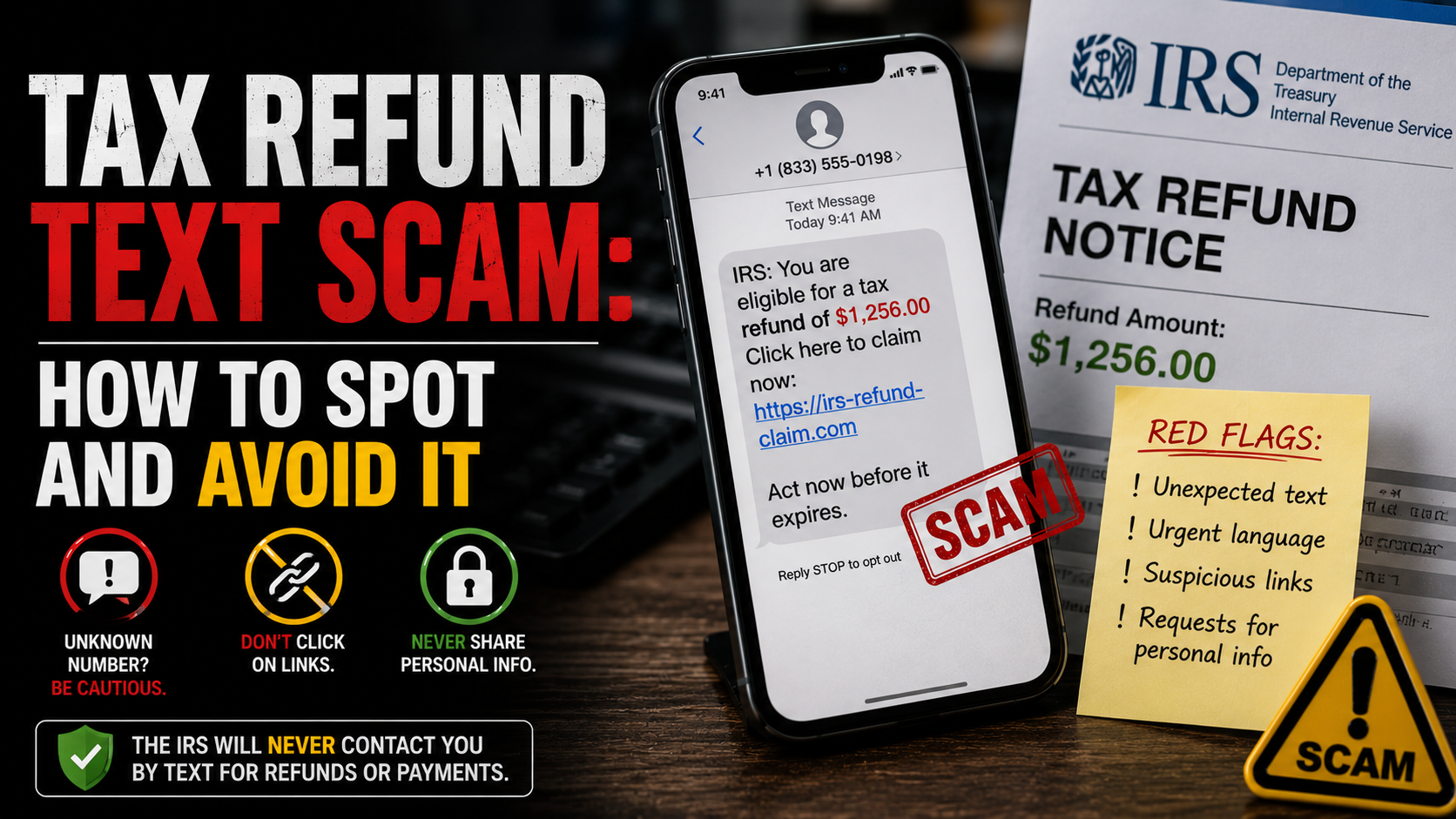
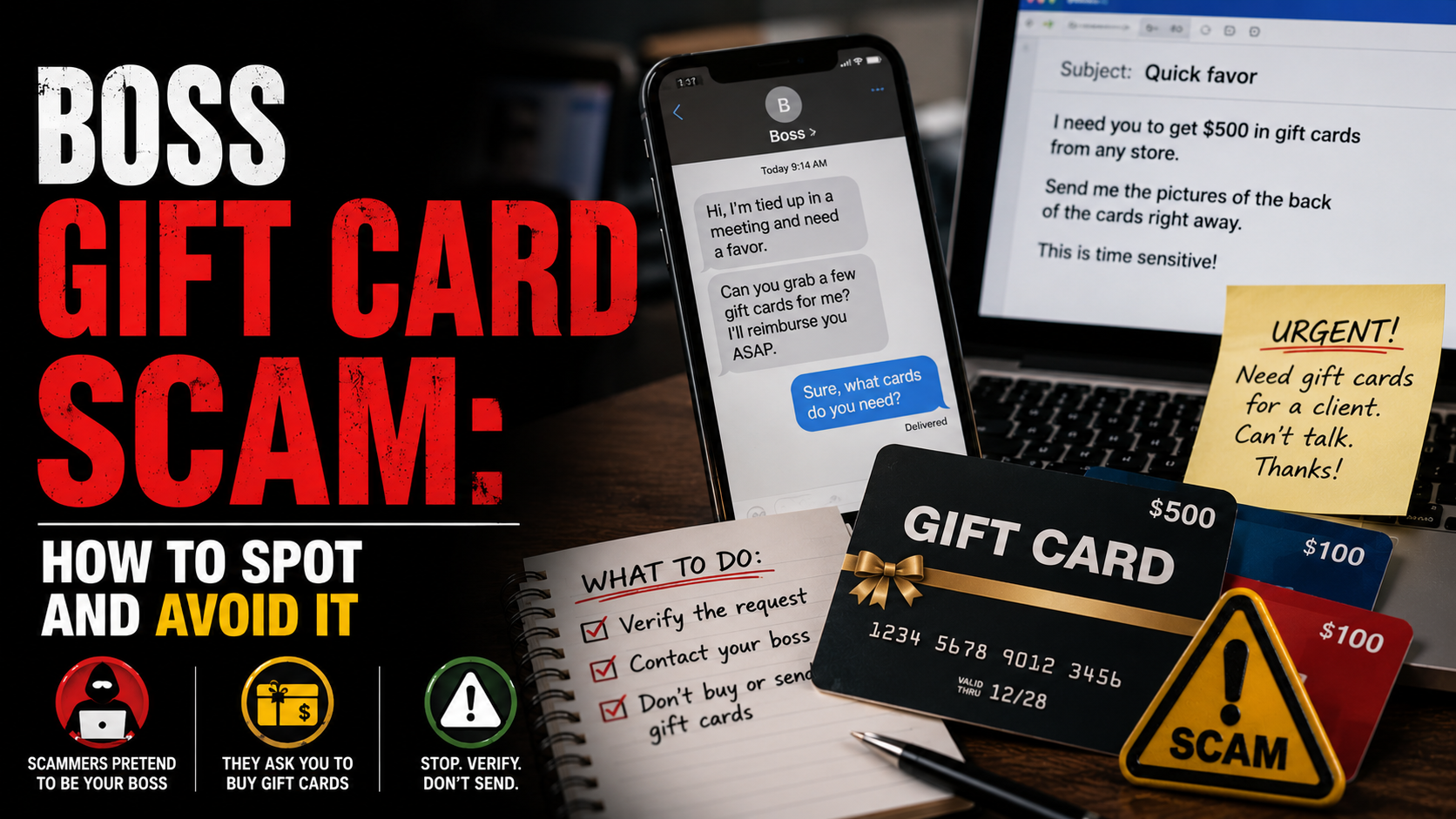
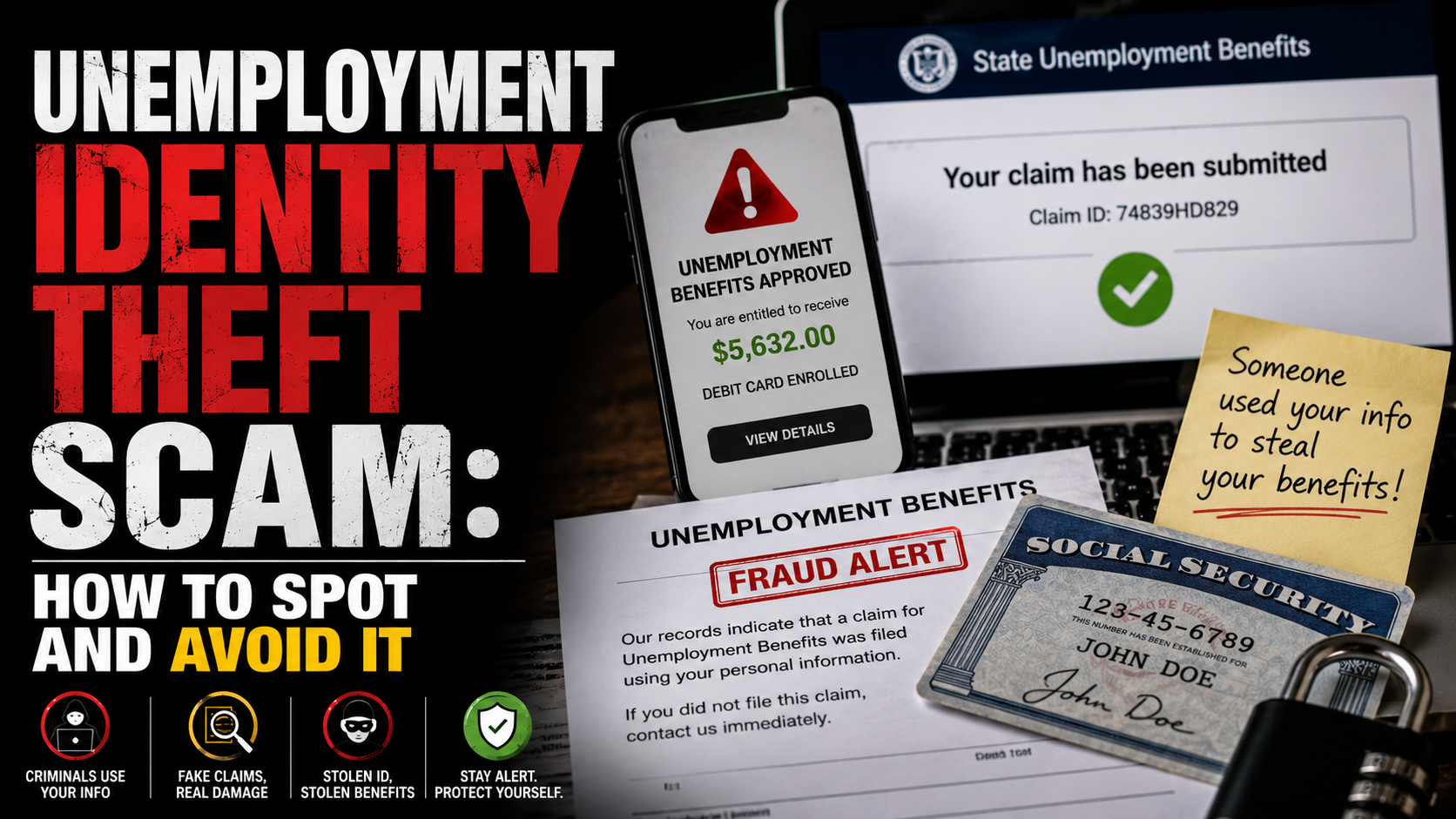
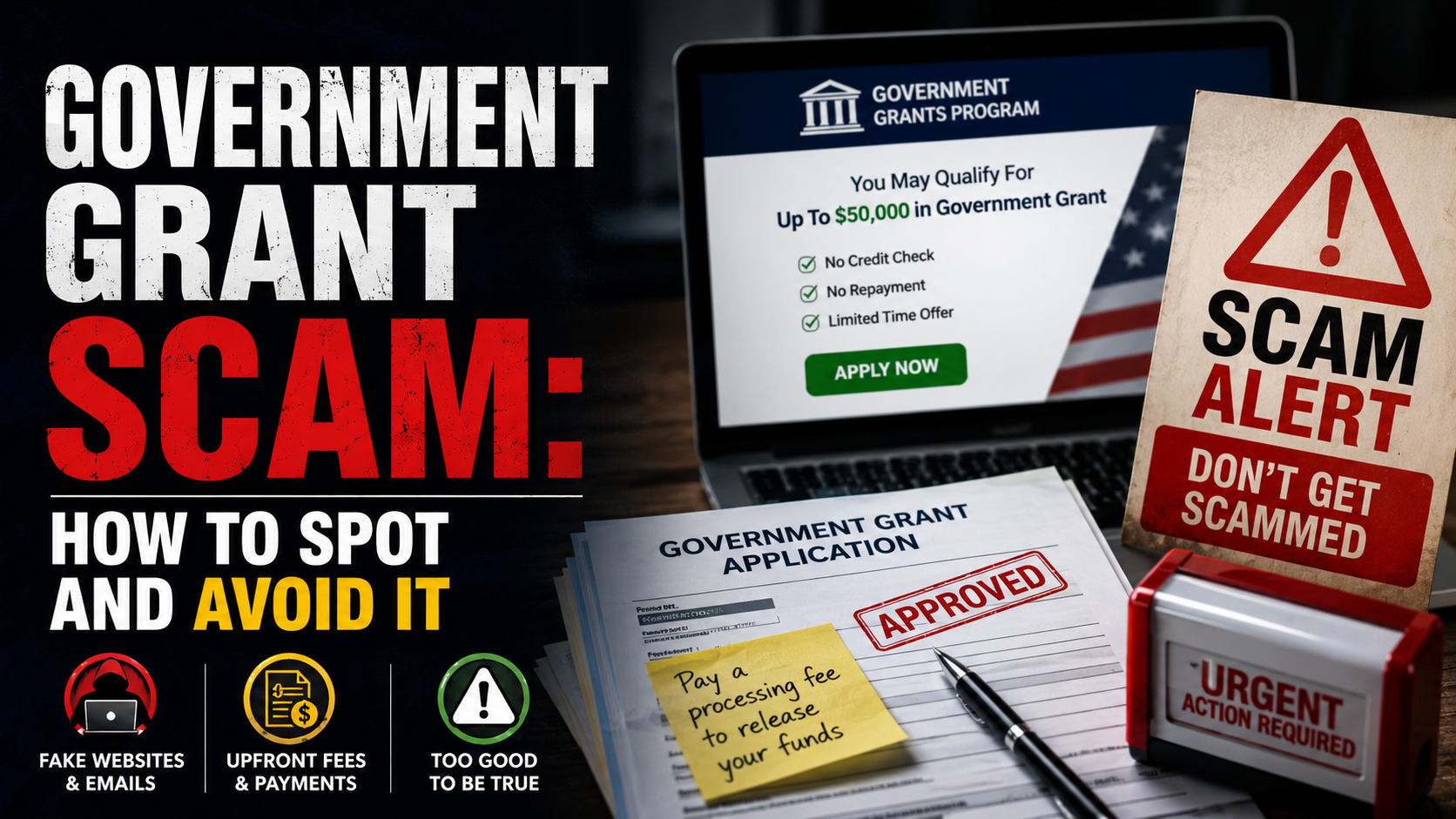
5 VariantsImposter fraud is not a single scam but a family of variants — each shows the same core imposter scam warning signs in a different costume. These are the five most common.
Government Impersonator Scams
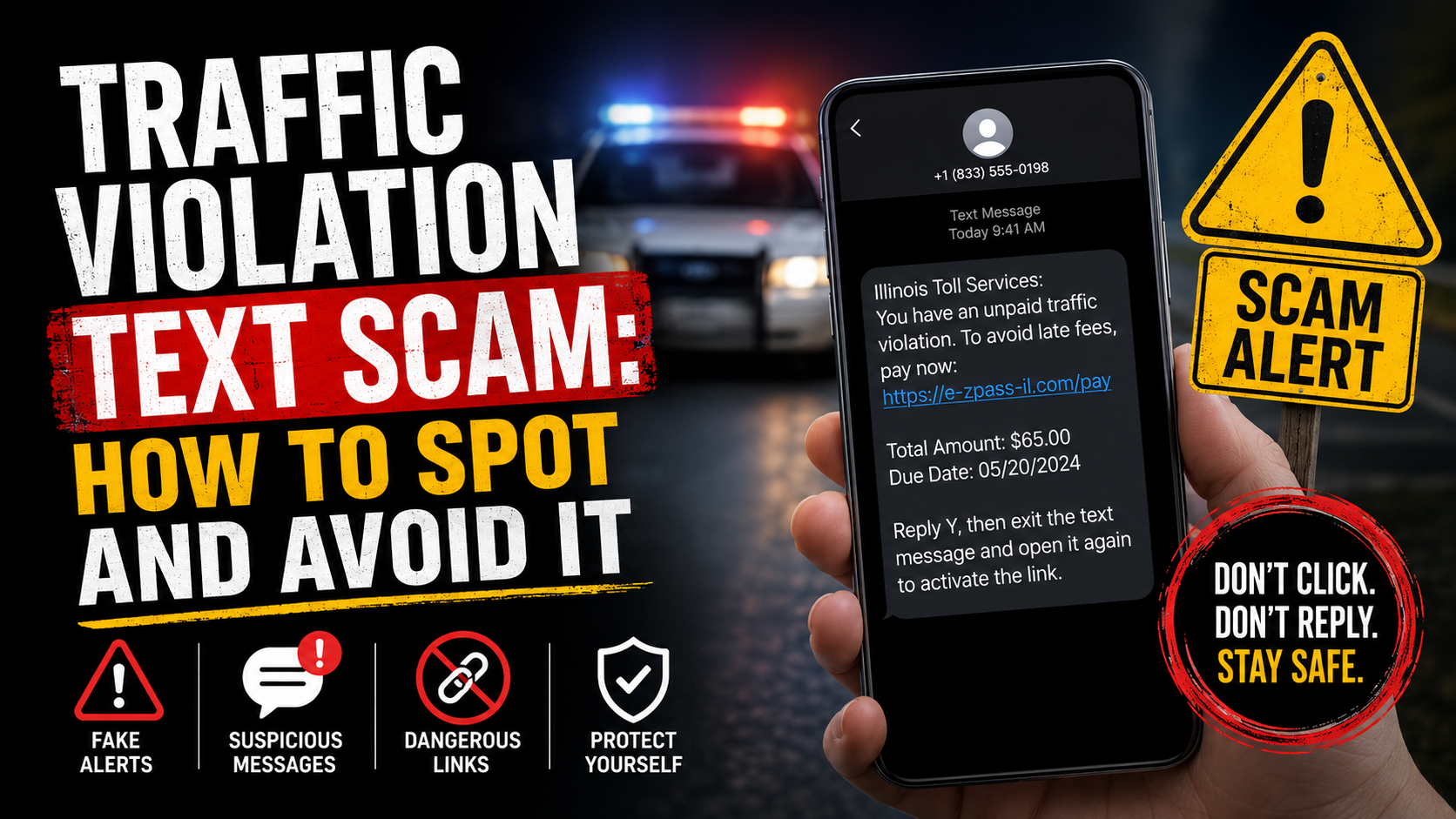
Classic imposter scam warning signsToll Road Text Scams
The fastest-growing imposter scamBusiness Impersonator Scams
Business-flavoured imposter scam warning signsFamily Emergency Scams
Imposter scam warning signs in your family’s voiceRomance and Online Relationship Scams
The long-game imposter scam warning signsReal Stories: When the Signs Were Missed
The Retired Couple and the “Social Security” Call
A retired couple in their early seventies received a call claiming to be from the Social Security Administration. The caller said their SSNs had been used in a drug trafficking investigation and their benefits would be suspended unless they transferred their savings to a “government-secured account” for safekeeping during the investigation. The number displayed matched the SSA’s published number — a spoofed caller ID. They transferred $43,000 before their adult son discovered what was happening. Looking back, every one of the imposter scam warning signs had been present: an unexpected call, extreme urgency, a demand to transfer money to a “safe account,” instructions to keep the situation confidential, and a request for payment through a method that bypassed normal banking channels. The matching caller ID had suppressed all suspicion, and the imposter scam warning signs only became visible in hindsight. They recovered nothing.
The Professional and the Amazon Pop-Up
A forty-year-old marketing manager was working at his computer when a full-screen alert appeared claiming his Amazon account had been compromised and unauthorised purchases were being processed. A phone number was displayed for “Amazon Security.” He called it and reached a convincing caller who walked him through “securing his account” — which involved installing remote access software and then sharing his banking app details for “verification.” Within minutes, £8,200 had been transferred from his current account. Every one of the imposter scam warning signs had appeared: an unexpected pop-up, extreme urgency about account fraud, a request to install remote access software, and requests for sensitive banking information. He had seen the imposter scam warning signs but dismissed them because the urgency had overwhelmed his critical thinking.
The Grandmother and the AI Voice Clone
A grandmother received a call from what sounded unmistakably like her granddaughter’s voice — crying and distressed, saying she had been arrested after a car accident and needed $2,500 for bail immediately. She begged her grandmother not to tell her parents as she was embarrassed. A “lawyer” then came on the line to explain the payment process — gift cards. The grandmother purchased the gift cards and shared the codes. When she called her granddaughter’s real number an hour later, her granddaughter answered from home — she had never been arrested. The AI voice clone had been created from social media videos. The imposter scam warning signs — a request for secrecy, payment in gift cards, extreme urgency — had all been present, but the imposter scam warning signs were drowned out by the apparent sound of a beloved family member in distress.
What Authorities Say
Consumer protection bodies on both sides of the Atlantic identify imposter fraud as the highest-volume scam category — and they say the same thing about the imposter scam warning signs every consumer should know.
The Federal Trade Commission is the primary US authority on imposter scam warning signs. The FTC’s May 2026 data confirms imposter fraud has been the number one scam category for nine consecutive years, with reported losses up nearly 20% to $3.5 billion in 2025. Government imposter reports were up 40% in the same period, driven primarily by the toll road text scam wave. The FTC’s guidance is unequivocal: no government agency will ever call you unexpectedly about an urgent problem; no genuine organisation will ever ask you to pay with gift cards, wire transfers, or cryptocurrency; and if anyone tells you to keep a call secret, hang up immediately — that combination alone covers most of the imposter scam warning signs. Report at reportfraud.ftc.gov and see consumer alerts at consumer.ftc.gov/scams.
Action Fraud in the UK similarly identifies impersonation fraud as the highest-loss fraud category for UK consumers, with bank impersonation and government impersonation accounting for the largest share of individual losses. Report UK imposter scams at actionfraud.police.uk or call 0300 123 2040.
The FBI’s Internet Crime Complaint Center accepts reports of imposter scams and publishes annual data on losses. The FBI specifically warns consumers about government impersonation, tech support scams, and romance scams — all variants of imposter fraud — at ic3.gov.
How to Protect Yourself
Stop — Pause Before Acting on Any Unexpected Contact
The single most effective protection against imposter scams is pausing before acting on any unexpected contact. Imposter scams are engineered to prevent this pause — the urgency, fear, and authority they create are specifically designed to move you from contact to compliance without reflection. Recognising the urgency itself as one of the imposter scam warning signs is what creates the mental space to apply all the other protections. Stop. Breathe. The imposter scam warning signs are easier to see from one step back. Do not act immediately on any unexpected communication that creates pressure or requests action.
Hang Up and Call Back on an Independently Sourced Number
If you receive any unexpected contact claiming to be from an organisation and requesting action or information — which is itself the first cluster of imposter scam warning signs — hang up. Find the organisation’s genuine contact number independently — from their official website, the back of your bank card, or a government directory — and call back using that number. Do not use any number provided by the caller. This single step defeats the imposter scam completely every time. A genuine representative will immediately confirm whether there is a real issue or no record of the alleged problem — and the imposter scam warning signs vanish under that one phone call.
Share the Warning Signs With Vulnerable People in Your Life
The most important thing you can do after learning the imposter scam warning signs is share them with the people most at risk. Older adults are disproportionately targeted by imposter scams because they are more likely to comply with authority figures and less familiar with the specific deceptions used. Share this article, have a conversation, and make sure the people you care about know the ten warning signs before they receive an unexpected call — not after — knowing the imposter scam warning signs in advance is the single biggest factor in resisting them.
Establish a Family Safe Word
To protect against the family emergency imposter scam — particularly as AI voice cloning becomes increasingly convincing — establish a safe word that only genuine family members know. If you receive a distressing call from a supposed family member in an emergency, ask for the safe word. An imposter using a voice clone will not know it. This one simple preparation defeats the family emergency variant regardless of how convincing the voice sounds — even when other imposter scam warning signs are obscured by emotion.
Remember: No Legitimate Organisation Asks for Gift Cards
This is the single most important of all the imposter scam warning signs to remember and share. No government agency, no bank, no legitimate business, no real employer, and no genuine emergency service ever requests payment in gift cards. This rule has no exceptions. The moment any caller asks you to purchase gift cards and share the codes — for any reason, in any situation — end the call immediately. You are dealing with one of the clearest imposter scam warning signs there is.
What to Do If You Have Been Targeted
If you recognise the imposter scam warning signs after the fact — or you have already sent money or shared information — act quickly. The steps below give you the best chance of limiting the damage.
Report to the FTC immediately
Whether or not you lost money, report it to the FTC at reportfraud.ftc.gov. The FTC uses these reports to identify patterns of imposter scam activity, issue consumer warnings, and build enforcement cases against the criminal networks operating these frauds — your report protects other consumers from the same scam.
Contact your bank immediately if money was sent
If you transferred money, shared banking credentials, or made a gift card payment as a result of an imposter scam, contact your bank or card provider immediately. Report what happened, provide transaction details, and ask what recovery options are available. If you paid by credit card, initiate a chargeback. If you sent a wire transfer, ask your bank to attempt a recall. If you shared OTPs or passwords, change them immediately through your bank’s official app or website.
If gift cards were used, contact the gift card issuer
If you were directed to purchase gift cards and share the codes, contact the gift card company immediately — Amazon, Google, Apple, iTunes, or whichever brand was demanded — and report that you were a victim of an imposter scam. Provide the card numbers. In some cases — particularly if the codes have not yet been redeemed — the company may be able to freeze the balance. Act as quickly as possible, as these funds are typically redeemed within minutes.
Report to Action Fraud or your national cybercrime authority
UK victims should report to Action Fraud at actionfraud.police.uk or call 0300 123 2040. US victims can also report to the FBI at ic3.gov. Australian consumers should report to Scamwatch at scamwatch.gov.au. Provide all available evidence — the phone number or email address used, any reference numbers, and details of what was requested and paid.
Share your experience to protect others
Share your account on consumer review platforms, the BBB Scam Tracker at bbb.org/scamtracker, Reddit, and social media. Your specific, detailed account of what the caller said, what they asked for, and what the imposter scam warning signs looked like in practice could be the information that allows someone else to identify and resist the same fraud.
Where to Report It
Reporting imposter fraud helps authorities build enforcement cases, publicise the imposter scam warning signs, and disrupt the criminal networks behind it. Use the body that matches your country and situation.
Frequently Asked Questions
Think You have Been Scammed?
Act fast — hang up, contact your bank, then report it through the official channels.

12 responses to “Imposter Scam Warning Signs: How to Spot and Avoid It”
[…] shopping scam — and the unprotected-payment-method demand is the same red flag highlighted in our imposter scam warning signs […]
[…] to look exactly like that legitimate work. The same trust-then-extract structure underlies our imposter scam warning signs guide and powers the related WhatsApp job offer […]
[…] Friends Family scam guide, and the underlying brand-impersonation playbook is documented in our imposter scam warning signs […]
[…] it via message. The same payment-method-manipulation tactic underpins our boss gift card scam and imposter scam warning signs […]
[…] about traditional phishing threats. The same brand-impersonation playbook is documented in our imposter scam warning signs […]
[…] causes victims to lower their guard. The same authority-impersonation playbook drives our imposter scam warning signs […]
[…] to data brokers operating in criminal markets. The same identity-theft exploitation underpins our imposter scam warning signs […]
[…] to distinguish from a genuine EE communication. The same brand-impersonation playbook drives our imposter scam warning signs […]
[…] the Ajit Pawar scam exploits. The same authority-borrowing tactic is documented in our imposter scam warning signs […]
[…] for any informed consumer who knows what to look for. The same impersonation playbook drives our imposter scam warning signs and powers specific variants like the bank impersonation phone […]
[…] opportunity eventually creates a money request. The same authority-and-emotion playbook drives our imposter scam warning signs and is documented in detail in our pig butchering romance scam […]
[…] application rejected for reasons that make no sense to you. The same fraud playbook drives our imposter scam warning signs guide, the unemployment identity theft scam deep-dive, and the phishing scam guide that explains […]