PS5 Pro Scam: 5 Alarming Tactics You Need to Avoid
Every major console launch brings a wave of fake pre-order sites, phishing offers, and fraudulent resellers — and the PS5 Pro scam follows the same well-worn playbook. This guide covers the five most common PS5 Pro scam tactics and exactly how to avoid them, whether you are pre-ordering or buying after launch.
⚡ Quick Summary — PS5 Pro Scam
- What it is: the PS5 Pro scam covers fake pre-order websites, fraudulent resellers, and phishing offers that exploit demand for Sony’s PS5 Pro console around launch periods
- Why it matters: high-demand console launches consistently produce a spike in fraud reports, with fake retailer sites and social media scams costing buyers hundreds of dollars per incident
- The biggest three signs: prices significantly below the official retail price, payment requests via gift card or wire transfer, and unverified third-party sellers with no transaction history
- How it reaches you: fake retailer websites, phishing emails, social media ads and DMs, and unauthorised resellers on marketplaces like eBay, Craigslist, and Facebook Marketplace
- The golden rule: buy only from Sony’s official store or established retailers with verified seller status — any price far below retail, for a high-demand console, is the PS5 Pro scam
⚠️ Already Paid for a Suspected Fake PS5 Pro Listing?
Contact your bank or payment provider immediately and request a chargeback. Report the listing to the platform where you found it. Then jump to the What to Do If You Have Been Targeted section below.
📋 Table of Contents
- What Is the PS5 Pro Scam?
- How the PS5 Pro Scam Works, Step by Step
- The 5 PS5 Pro Scam Tactics to Watch For
- PS5 Pro Scam Variants
- Real Stories: When the Signs Were Missed
- What Authorities Say
- How to Buy Safely
- What to Do If You Have Been Targeted
- Where to Report It
- Frequently Asked Questions
- Related Scam Guides
What Is the PS5 Pro Scam
The PS5 Pro scam refers to the wave of fraudulent websites, fake pre-orders, and phishing offers that surround the launch and ongoing sale of Sony’s PS5 Pro console. As with every high-demand console release, scammers move quickly to capitalise on buyer urgency, limited stock anxiety, and the temptation of a discount on an expensive, sought-after product.
The PS5 Pro scam is not a single fraud technique — it spans fake pre-order websites that mimic official retailers, phishing emails offering exclusive early access, unauthorised resellers on marketplaces like eBay, Craigslist, and Facebook Marketplace, and fraudulent social media giveaways and sponsored ads. Each variant shares the same underlying goal: collect payment or personal information for a console that will never arrive.
Console launch scams follow a predictable pattern that has repeated across every major PlayStation, Xbox, and Nintendo release. The PS5 Pro scam is simply the current iteration of a well-established fraud category — meaning the same warning signs and protections that worked for previous console launches apply here too.
How the PS5 Pro Scam Works, Step by Step
Most PS5 Pro scam operations follow a consistent four-stage structure, regardless of which specific channel is used to reach the buyer.
Stage 1: Exploiting Launch Hype
Scammers monitor console announcements and launch dates closely, setting up fraudulent infrastructure in the lead-up to release. The PS5 Pro scam specifically targets the period of maximum demand — pre-order windows and the weeks immediately following launch, when genuine stock shortages make implausible offers seem more believable.
Stage 2: The Fake Offer
A fake pre-order website, social media ad, phishing email, or marketplace listing presents an offer that looks legitimate at first glance — official-looking branding, product photos, and a price positioned just low enough to be attractive without being obviously implausible.
Stage 3: Payment Collection
The PS5 Pro scam directs the buyer to pay through the website’s checkout, a marketplace payment flow, or a direct request for gift cards, wire transfer, or cryptocurrency. Payment methods that cannot be reversed are preferred by scammers specifically because they eliminate any recovery route.
Stage 4: Disappearance
Once payment is collected, the fake website goes offline, the marketplace seller account disappears, or the social media profile is deleted. No console arrives. Buyers who attempt to follow up find no working contact method.
The 5 PS5 Pro Scam Tactics to Watch For
🚩 The 5 PS5 Pro Scam Warning Signs
- 1. Fake pre-order websites. Sites that closely mimic official retailers, often with near-identical branding and design, but a slightly altered domain name. The PS5 Pro scam relies on buyers not checking the URL carefully before entering payment details.
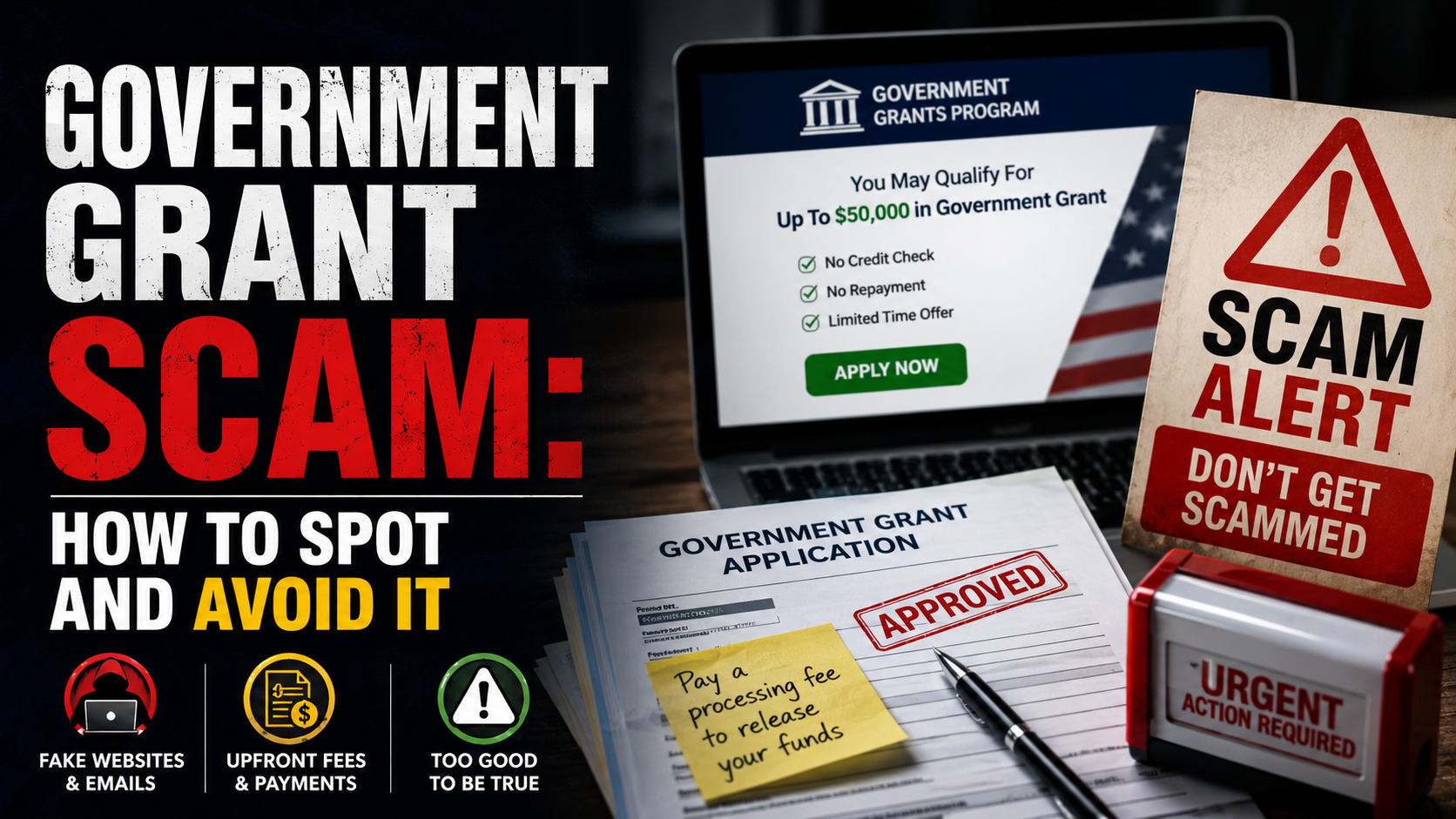
- 2. Prices significantly below official retail. Any deal offering the console at a steep discount from the official retail price should be treated as a near-certain PS5 Pro scam. Genuine retailers rarely discount a high-demand console shortly after launch.
- 3. Phishing emails and texts with “exclusive” pre-order links. Unsolicited messages claiming exclusive early access, lottery-based allocation, or limited-time pre-order windows are a common PS5 Pro scam delivery mechanism. Legitimate retailers do not notify customers of pre-order opportunities via unsolicited email or SMS.
- 4. Unauthorised resellers with no transaction history. Sellers on eBay, Craigslist, or Facebook Marketplace offering the console with vague contact details, no reviews, or an account created very recently are a significant PS5 Pro scam red flag.
- 5. Requests for gift cards, wire transfer, or cryptocurrency. Any seller insisting on an irreversible payment method instead of a buyer-protected option like a credit card or PayPal is very likely running a PS5 Pro scam — these payment methods are chosen specifically because they cannot be clawed back.
PS5 Pro Scam Variants
4 VariantsThe PS5 Pro scam shows up across several distinct channels, each exploiting a different point of contact with eager buyers.
Fake Pre-order Websites
The look-alike retailer variantMarketplace Reseller Fraud
The eBay/Craigslist variantSocial Media Giveaway Fraud
The fake-prize variantPhishing Pre-order Emails
The exclusive-access variantReal Stories: When the Signs Were Missed
The Pre-order Site That Looked Identical to the Real Thing
A gamer eager to secure a console at launch found a website through a sponsored social media ad offering pre-orders at a modest discount with guaranteed delivery on release day. The site used the same logo, colour scheme, and product photography as the official retailer. He entered his payment details and received an order confirmation email.
No console arrived on launch day. When he tried to access the website again, it had gone offline. The domain, on close inspection after the fact, differed from the official retailer’s by a single character. He had fallen for a textbook PS5 Pro scam fake pre-order site, and his payment — made by debit card without buyer protection — was not recoverable.
The lesson: checking the exact domain character-by-character before entering payment details, and using a credit card rather than a debit card for online purchases, are two simple habits that would have prevented this loss entirely.
The Marketplace Listing With No History
A buyer searching for the console on a popular marketplace found a listing from a seller account created only days earlier, offering the console below market price with no prior sales history. The listing included genuine-looking product photos apparently taken from the manufacturer’s press kit.
He paid via direct bank transfer at the seller’s request, since the seller claimed marketplace payment processing was “temporarily down.” The seller’s account was deleted within 48 hours of payment, and no product was ever shipped. The bank transfer offered no recourse.
The lesson: any request to bypass the marketplace’s built-in payment protection is itself the clearest possible PS5 Pro scam warning sign — legitimate sellers have no reason to avoid the platform’s standard, protected payment flow.
What Authorities Say
Consumer protection bodies consistently flag high-demand product launches as predictable fraud spikes, with guidance that applies directly to the PS5 Pro scam and similar console-launch fraud.
The Federal Trade Commission (FTC) regularly warns consumers ahead of major product launches that fake retailer websites and social media scams increase sharply during periods of high demand and limited stock. The FTC’s core guidance: buy only from retailers you know and trust, verify website URLs carefully, and use payment methods that offer buyer protection. Report at reportfraud.ftc.gov.
The Better Business Bureau (BBB) publishes seasonal and launch-period scam alerts specifically covering fake pre-order sites and marketplace fraud for in-demand electronics. The BBB recommends checking any unfamiliar retailer against its business profile database before making a purchase.
Action Fraud in the UK has documented recurring patterns of console and electronics launch fraud, noting that fraudulent listings often use genuine product photography lifted from manufacturer press materials, making visual inspection alone an unreliable verification method. Report at actionfraud.police.uk.
How to Buy Safely
Buy Only from Official or Established Retailers
Stick to Sony’s official store, major electronics retailers, and well-established online marketplaces with verified seller programmes. This single habit eliminates the majority of PS5 Pro scam exposure.
Check the Domain Carefully Before Paying
Verify the exact URL of any retailer website before entering payment information. Scammers frequently use domains that differ from the genuine retailer by a single character or an unusual top-level domain.
Be Sceptical of Discounts on High-Demand Items
Significant discounts on a console shortly after launch are unusual and should be treated as a clear PS5 Pro scam warning sign. Compare any offer against the official retail price before proceeding.
Use Payment Methods With Buyer Protection
Pay with a credit card or a payment service offering dispute resolution rather than a debit card, wire transfer, gift card, or cryptocurrency. This single choice determines whether you have any recovery route if the purchase turns out to be fraudulent.
Verify Marketplace Sellers Before Purchasing
Check seller ratings, review history, and account age before buying from a third-party marketplace listing. A seller account created recently with no transaction history and a too-good price is a strong PS5 Pro scam indicator.
What to Do If You Have Been Targeted
If you suspect you have already paid for a fraudulent PS5 Pro listing, act quickly to maximise your chances of recovery.
Contact your bank or payment provider
Report the transaction immediately and request a chargeback if you paid by card. The sooner you act, the better your chances of recovering the payment.
Report the listing or website
Use the platform’s reporting tools to flag the fraudulent listing, website, or social media account. This helps prevent other buyers from falling for the same PS5 Pro scam.
Report to consumer protection authorities
US consumers should report to the FTC at reportfraud.ftc.gov. UK consumers should report to Action Fraud at actionfraud.police.uk.
Secure your accounts
If you entered personal or payment information on a fraudulent site, change relevant passwords and monitor your accounts for unauthorised activity.
Warn your network
Share details of the scam with friends, family, or your social media followers to help others avoid the same fraudulent listing.
Where to Report It
Reporting console launch fraud helps platforms remove fraudulent listings and protects future buyers. Use the channels relevant to your situation.
Frequently Asked Questions
Think You Have Encountered a PS5 Pro Scam?
Don’t pay — verify the seller and domain first, then report any suspicious listing.