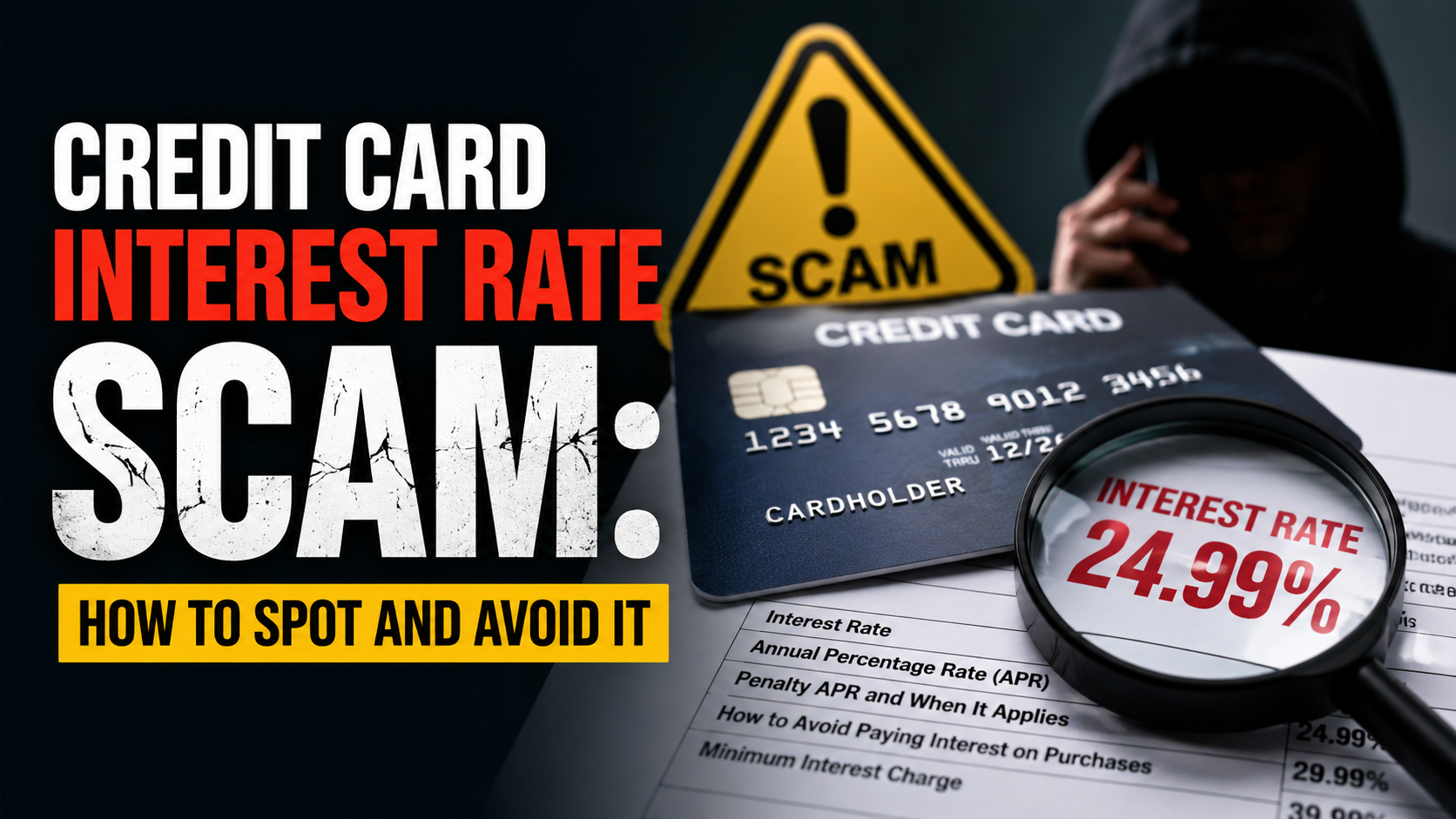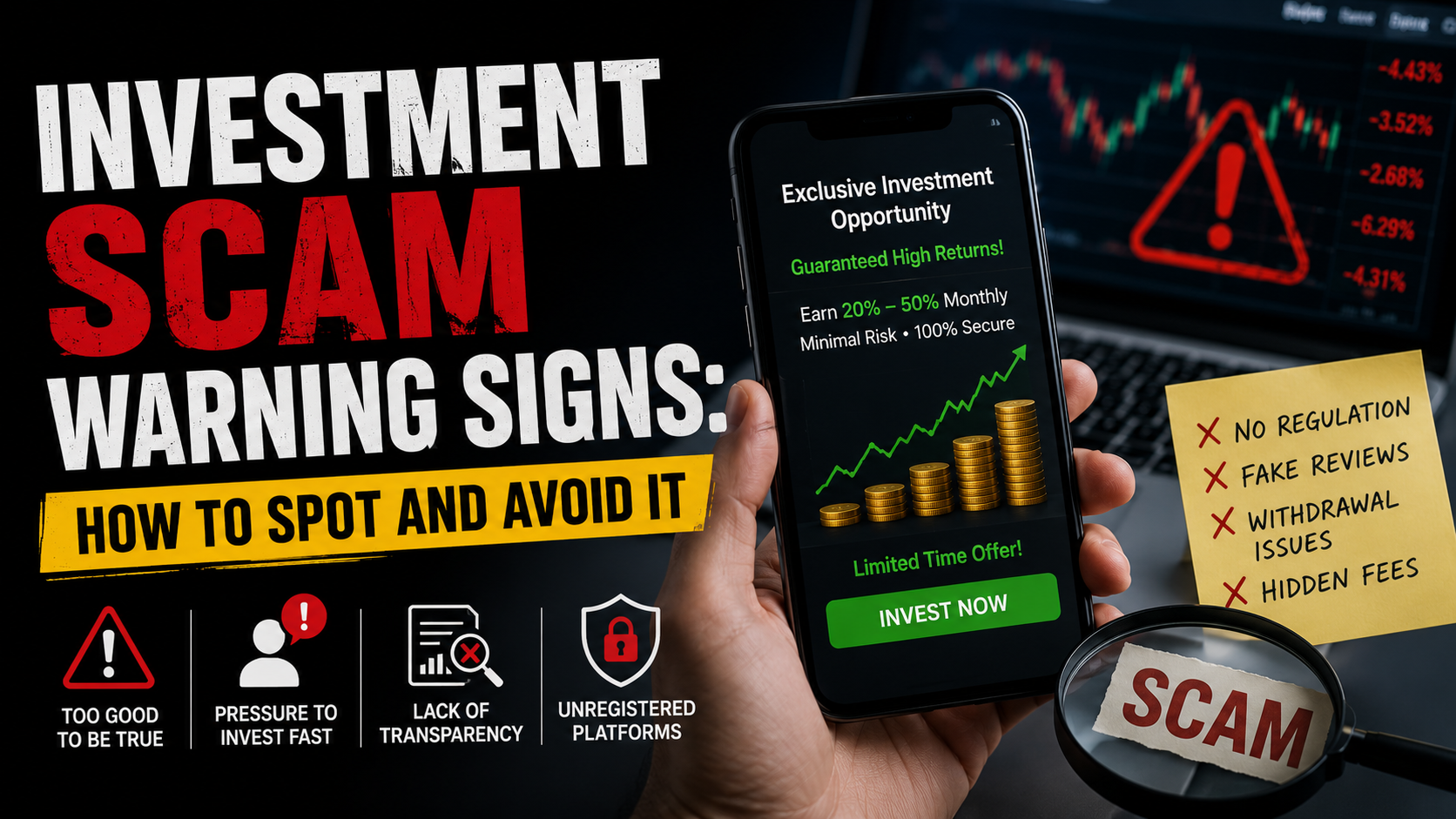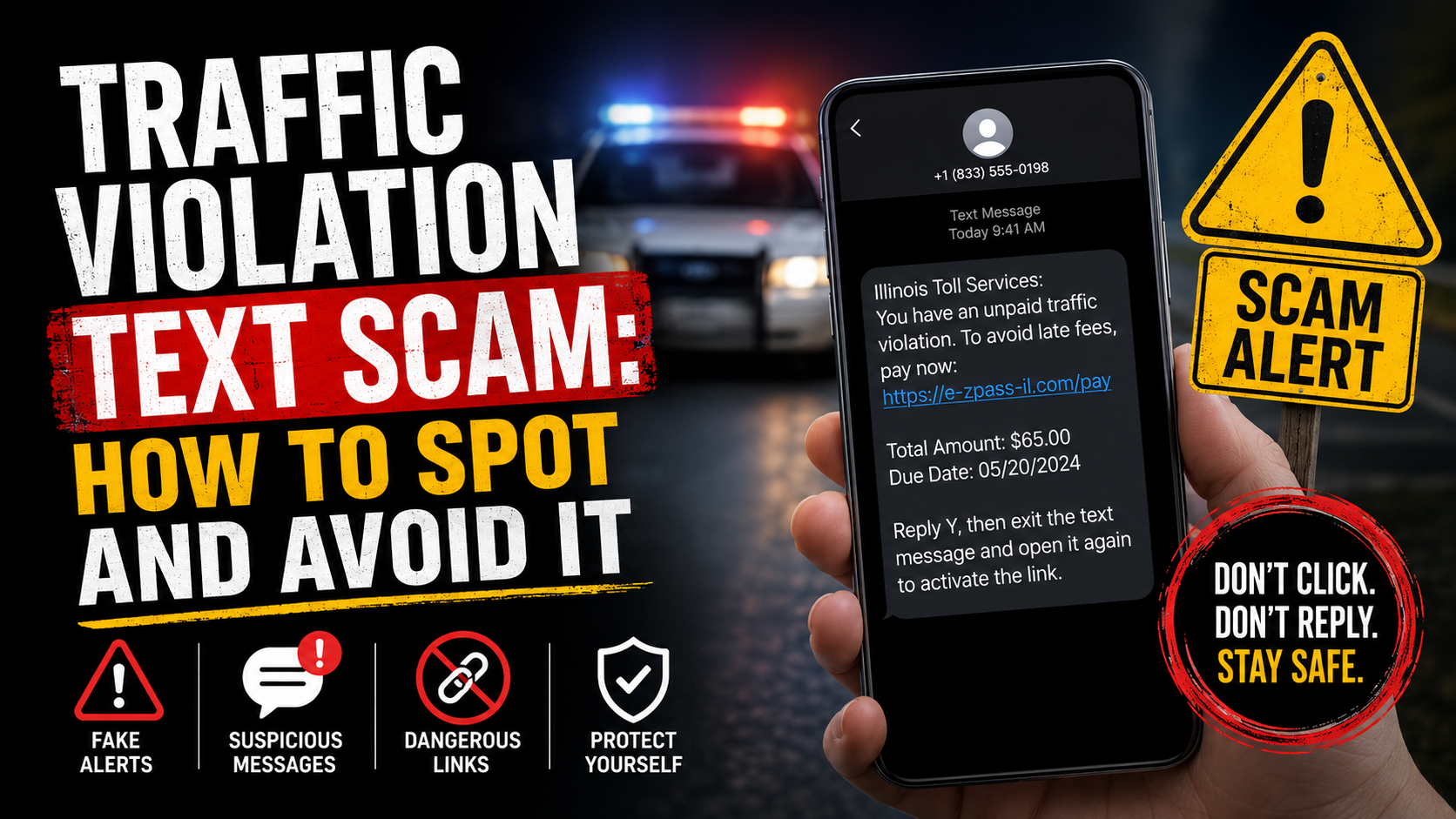
Barclays Scam Claims: How to Spot the Fraud and Protect Yourself
The Barclays scam is a bank impersonation fraud that uses spoofed calls, fake texts, and phishing emails to steal account credentials, OTPs, and money from Barclays customers. This guide explains every Barclays scam variant, the 10 warning signs, and what to do if you have been targeted.
⚡ Quick Summary — Barclays Scam
- What it is: the Barclays scam is a bank impersonation fraud in which criminals use Barclays’ name, branding, and caller ID spoofing to contact customers — by phone, SMS, email, or push notification — and extract account credentials, one-time passcodes (OTPs), or direct payments
- Why it matters: bank impersonation is the highest-loss fraud category in the UK — UK Finance reported over £1.2 billion lost to authorised and unauthorised bank fraud in 2023, with impersonation the dominant method
- The biggest three signs: an unsolicited Barclays contact that creates urgency about account security, a request to share a one-time passcode, or an instruction to move funds to a “safe account”
- How it reaches you: spoofed phone call appearing to come from the real Barclays number, smishing text, phishing email, or fake push notification via a cloned banking app
- The golden rule: Barclays never asks you to share one-time passcodes, full passwords, or move money to a “safe account” — any Barclays contact making these requests is a Barclays scam
⚠️ Already Paid or Shared Account Details?
Call Barclays immediately on 0333 200 3451 (fraud team) or the number on the back of your card. Request an account freeze and a fraud review. Then report to Action Fraud at actionfraud.police.uk (0300 123 2040). Jump to the What to Do If You Have Been Targeted section for full steps.
📋 Table of Contents
- What Is the Barclays Scam?
- How the Barclays Scam Works, Step by Step
- The 10 Barclays Scam Warning Signs
- Barclays Scam Variants
- Real Stories: When the Signs Were Missed
- What Authorities Say
- How to Protect Yourself
- What to Do If You Have Been Targeted
- Where to Report It
- Frequently Asked Questions
- Related Scam Guides
What Is the Barclays Scam
The Barclays scam is a bank impersonation fraud in which criminals use Barclays’ brand, contact details, and customer-facing language to deceive Barclays account holders into surrendering account credentials, one-time passcodes, or authorising direct payments to criminal accounts. The Barclays scam is not a single fraud type — it is Barclays’ name applied across the standard bank impersonation playbook, which runs identically under other bank names as well.
The Barclays scam reaches victims through multiple channels. Vishing (voice phishing) calls spoof the real Barclays fraud team number — 0345 734 5345 — so the victim’s caller ID displays what appears to be a genuine Barclays contact. Smishing texts arrive in the same thread as genuine Barclays SMS alerts, because criminals use the same sender ID “Barclays” that the bank itself uses. Phishing emails use copied Barclays logos, fonts, and email header formatting to appear indistinguishable from real bank communications at first glance.
What makes the Barclays scam particularly effective is that Barclays is one of the UK’s largest retail banks — with over 24 million personal customers, the probability that a randomly targeted UK phone number belongs to a Barclays account holder is high. This means the Barclays scam operates as a volume play: send enough messages to UK numbers and a substantial proportion of recipients genuinely bank with Barclays and therefore take the message seriously.
The Barclays scam also exploits the UK’s Authorised Push Payment (APP) fraud vulnerability. Under APP fraud, victims are instructed by the criminal to authorise a bank transfer themselves — to a “safe account” supposedly set up by Barclays to protect their funds during an investigation. Because the payment is technically authorised by the victim, recovering it is harder than recovering an unauthorised transaction. However, under the Payment Systems Regulator’s mandatory APP fraud reimbursement rules introduced in October 2024, Barclays and other UK banks are now required to reimburse most APP fraud victims.
The Barclays scam sits within a broader UK bank impersonation category covered in our bank impersonation phone scam guide. The phishing techniques used — look-alike domains, sender ID spoofing — are covered in our phishing scam pillar.
How the Barclays Scam Works, Step by Step
The Barclays scam follows a well-documented six-stage escalation pattern. Recognising any stage is enough to exit the fraud safely.
Step 1: Initial Contact
The Barclays scam begins with an unsolicited contact — a call, text, email, or push notification. The contact claims to be from Barclays and states that something is wrong with the victim’s account: suspicious transactions detected, account access blocked, a security review required, or a refund pending. The urgency of the opening message varies from mild concern to a claim that the account has already been compromised.
The message may drop into the victim’s existing Barclays SMS thread because the criminal uses the same sender ID “Barclays” that Barclays itself uses — a sender ID spoofing technique that appears in the same thread as genuine previous messages from the bank. This thread injection makes the Barclays scam message look authenticated by proximity to real bank communications.
Step 2: Caller ID Spoofing and Authority
In the vishing variant of the Barclays scam, the caller ID on the victim’s phone displays a number matching the real Barclays fraud line. The agent uses bank-appropriate language, references partial account details (name, last four digits of card, sort code — obtainable from data breaches or social engineering), and behaves with the professional courtesy of a real bank fraud team member.
The authority established in this step is what separates the Barclays scam from lower-sophistication frauds. Many victims describe later that they checked the number during the call, saw it matched Barclays, and concluded the call was genuine. Caller ID spoofing is trivially easy for criminals and proves nothing about the caller’s actual identity.
Step 3: The OTP Request
The Barclays scam agent then initiates a real transaction on the victim’s account — logging in using previously obtained credentials, or attempting to authorise a new payee — and requests the one-time passcode (OTP) that Barclays sends to the victim’s mobile. The agent frames the OTP request as a “security verification” for the account protection review.
When the victim reads out the OTP, the criminal uses it to authorise the fraudulent transaction on their side. The Barclays scam has now completed its primary financial objective through the victim’s own apparently voluntary action.
Step 4: The Safe Account Instruction
In higher-value Barclays scam variants, the agent does not stop at credential harvest. They instruct the victim to transfer their own funds to a “safe account” set up by Barclays to hold money during the fraud investigation. The victim is told this is standard procedure while the investigation proceeds and the funds will be returned.
The “safe account” is a mule account controlled by the criminal network. Once the victim’s funds arrive, they are typically dispersed within minutes to other accounts, often internationally, before the victim suspects anything has gone wrong.
Step 5: Extended Engagement and Secrecy
Some Barclays scam operations maintain the fiction for days or weeks, calling back periodically to “update” the victim on the investigation, request additional transfers for “further security,” and reinforce the instruction not to contact Barclays directly or tell family members — “doing so could compromise the investigation.” Each callback is another extraction opportunity.
Step 6: Disappearance
When the victim’s accessible funds are exhausted or they attempt to verify with the real Barclays and discover the fraud, the Barclays scam operation ends abruptly. The criminals stop responding. The spoofed number disconnects. The victim is left with their real Barclays account — potentially emptied — and the realisation that every “Barclays” contact they received was criminal.
The 10 Barclays Scam Warning Signs
🚩 The 10 Warning Signs of the Barclays Scam
- 1. An unsolicited Barclays contact creates urgent account concern. Genuine Barclays fraud alerts do not demand immediate phone action — they typically ask you to log in to the app or call back using the number on your card. Any contact that creates urgent pressure about your account and requires immediate phone response is a Barclays scam red flag.
- 2. The caller ID shows the real Barclays number. Criminals routinely spoof Barclays’ genuine phone numbers. A displayed Barclays number on your screen proves nothing about who is actually calling. The content of the call — not the caller ID — determines whether it is the Barclays scam.
- 3. You are asked to share a one-time passcode. Barclays never asks customers to read out an OTP they have received. If a caller or message requests your OTP — for any stated reason, including “security verification,” “fraud investigation,” or “account confirmation” — it is the Barclays scam using your OTP to authorise a fraudulent transaction.
- 4. You are asked to move money to a “safe account.” No bank — including Barclays — has a procedure involving moving customer funds to a “safe” or “holding” account as part of a fraud investigation. This instruction is the safe-account variant of the Barclays scam. Funds transferred to a “safe account” go directly to a criminal mule account.
- 5. The message drops into your existing Barclays SMS thread. Sender ID spoofing allows Barclays scam texts to appear in the same thread as your genuine Barclays messages. This thread injection creates a false sense of authentication. Being in the Barclays thread does not mean the message came from Barclays — it means the criminal used the same sender name “Barclays.”
- 6. You are told not to discuss the matter with family or other bank staff. The Barclays scam’s secrecy instruction — “do not discuss this with anyone, it could compromise the investigation” — exists to prevent the one intervention that reliably ends the fraud: a trusted person recognising the Barclays scam pattern. No real fraud investigation requires civilian witness secrecy.
- 7. A link in an email or text does not go to barclays.co.uk. Genuine Barclays communications link only to barclays.co.uk or its authenticated subdomains. Any link in a Barclays-branded message going to barclays-secure-login.com, barclaysbank.net, or any variation that is not exactly barclays.co.uk is Barclays scam phishing infrastructure.
- 8. The contact references a specific transaction you do not recognise. Barclays scam callers sometimes reference a specific “suspicious transaction” to make the call feel targeted. This detail — often a plausible amount and merchant — may be fabricated or may have been obtained from a data breach. A specific claimed transaction does not authenticate the caller.
- 9. You are asked to download a screen-sharing or remote-access app. If a caller describing themselves as Barclays support asks you to download AnyDesk, TeamViewer, or a similar remote-access tool to “assist with the investigation,” this is the Barclays scam remote-access variant. Barclays does not use third-party remote-access tools for customer support. A criminal with remote access to your device can authorise transactions directly.
- 10. A “refund” from Barclays requires card or account details to process. Barclays scam phishing emails often claim a refund is due — for an overpayment, a fee correction, or compensation — and ask you to enter card details to receive it. Barclays processes genuine refunds directly to your account without requiring you to enter card details separately.
Barclays Scam Variants
5 VariantsThe Barclays scam reaches victims through five well-documented variants. Each uses the Barclays brand as its authority source but deploys different technical and psychological approaches to extract credentials or payments.
Vishing / Safe Account Call
The spoofed phone call variantSmishing / Thread Injection
The SMS thread variantPhishing Email
The email credential harvest variantRemote Access / Screen Share Variant
The device takeover variantBarclays Refund / Compensation Scam
The payment-to-receive variantReal Stories: When the Signs Were Missed
The Leeds Teacher and the Safe Account Transfer
A 42-year-old teacher in Leeds received a call from a number that matched Barclays’ fraud team on her caller ID. The caller explained that her account had been accessed by fraudsters and that Barclays was setting up a “protected holding account” for the duration of the investigation. She was asked to transfer £4,200 to the holding account to keep it safe while Barclays traced the criminals.
She transferred the funds. The caller called back two days later requesting another £1,800 “to complete the investigation ring-fence.” At this point she became suspicious and called the real Barclays number from their official website. Barclays confirmed there was no fraud investigation, no holding account, and no prior contact from them. The Barclays scam had cost her £4,200 — she recovered £2,100 through the bank’s APP fraud reimbursement process after filing with Action Fraud.
The lesson: the safe account instruction is the most reliable sign of the Barclays scam. No bank has a procedure involving customer-initiated transfers to a holding account during a fraud investigation. Any such instruction is the Barclays scam regardless of how convincingly the caller sounds or what number appears on the screen.
The Manchester Student and the OTP Text Injection
A 23-year-old student in Manchester received a text in his Barclays SMS thread asking him to verify a “new payee addition” by entering the code that would follow. The text appeared directly below a genuine Barclays balance alert he had received that morning. The next message — also in the Barclays thread — contained an OTP. He read the OTP back to the number the text directed him to call.
The OTP was used immediately to authorise a new payee and transfer £850 to it. He called Barclays within minutes of noticing the outgoing transaction and the fraud team was able to recall £600 of the £850 before it cleared. The Barclays scam text had been injected into his genuine thread using sender ID spoofing — visually identical to a real Barclays message because it used the same “Barclays” sender name.
The lesson: thread injection is the most visually convincing element of the smishing variant of the Barclays scam. A genuine message directly above the fraudulent one creates false authentication. The rule that defeats it: never read an OTP to any caller or text — for any reason, to any number. Barclays never requests OTPs by phone or text.
The Bristol Retiree and the Refund Email
A 67-year-old retiree in Bristol received a Barclays-branded email claiming she was due a £165 fee refund following a regulatory review. The email invited her to click “Claim Refund” and enter her card details to receive the funds. The Barclays logo, email format, and footer were copied precisely from a genuine Barclays email. The link went to barclays-refund-claims.co.uk — not barclays.co.uk.
She entered her card number, sort code, and account number. Her card was used for £347 in online purchases over the following 48 hours before she noticed. She reported the Barclays scam to Barclays and received a full refund of the fraudulent charges through the unauthorised transaction reimbursement process, but the ordeal required four phone calls and a two-week resolution timeline.
The lesson: checking the link destination before clicking — not just the email’s appearance — is the single most effective protection against the Barclays scam phishing email variant. The real barclays.co.uk domain contains no hyphens and no additional words. Any link destination that is not exactly barclays.co.uk is Barclays scam infrastructure regardless of how the email looks.
What Authorities Say
UK consumer protection authorities, the banking regulator, and Barclays itself have all issued guidance specifically about the Barclays scam and bank impersonation fraud more broadly.
UK Finance, the trade association for the UK banking sector, publishes annual fraud statistics and runs the Take Five to Stop Fraud campaign. UK Finance data shows that bank impersonation — the category that includes the Barclays scam — was the largest single driver of APP fraud losses in 2023. The Take Five campaign’s core message exactly matches the Barclays scam’s key defeat mechanism: Stop. Challenge. Protect. Before any bank-related payment or information request, take five minutes to verify through an independently sourced contact route.
The Financial Conduct Authority (FCA) regulates Barclays and requires it to meet standards for customer protection and fraud response. The FCA’s Scam Smart campaign includes specific guidance on bank impersonation frauds matching the Barclays scam profile. The FCA’s consumer warning list at fca.org.uk/consumers/protect-yourself-scams includes clone firm alerts for organisations falsely claiming to be associated with Barclays.
Action Fraud, the national fraud and cybercrime reporting centre, receives the majority of Barclays scam reports. Action Fraud’s published guidance on bank impersonation fraud mirrors the Barclays scam’s key warning signs: caller ID spoofing, OTP requests, safe account transfers, and remote access requests. Reports at actionfraud.police.uk or 0300 123 2040.
Barclays itself publishes explicit guidance on its website confirming it will never ask customers for full PINs or passwords, never ask them to transfer funds to a safe account, and never request OTPs via phone. Barclays’ dedicated fraud reporting address for phishing emails is phishing@barclays.com. Barclays fraud team: 0333 200 3451.
How to Protect Yourself
Never Share a One-Time Passcode With Anyone
The OTP request is the operational heart of the Barclays scam vishing variant. Once you read an OTP to a caller, they can authorise any transaction Barclays’ system is asking to confirm. The rule is absolute: never read an OTP to any caller, for any reason, to any number — including one that appears to be Barclays. Barclays’ own published guidance confirms this rule. The caller who asks for your OTP is running the Barclays scam.
Call Back Independently Before Any Action
If you receive any Barclays contact that creates urgency about your account, hang up and call Barclays using the number on the back of your card or from their official website (barclays.co.uk). Do not redial the number that called you — spoofed numbers connect back to the Barclays scam operation. Do not use the number in a text or email. Use a number you have sourced independently. This one step defeats every vishing and smishing variant of the Barclays scam.
Check Links Character by Character
The Barclays scam phishing email and smishing link always points to a domain that is not barclays.co.uk. The real Barclays online banking is barclays.co.uk — no hyphens, no extra words, .co.uk TLD. Check the link destination by hovering before clicking. If it differs from barclays.co.uk in any character, it is Barclays scam infrastructure. Access your Barclays account only by typing barclays.co.uk directly or through the official app.
Refuse Any Remote Access Request
If a caller claiming to be from Barclays asks you to download any remote-access or screen-sharing software — AnyDesk, TeamViewer, or similar — refuse immediately and end the call. Barclays does not use third-party remote-access tools for customer support. Remote access to your device gives the Barclays scam operator direct control over your banking app and the ability to authorise transactions without needing your OTP.
Enable Barclays Fraud Alerts and Spending Controls in the App
Barclays’ banking app includes fraud alerts, Barclaycard spending controls, and the ability to freeze your card instantly. Enabling these features means you receive immediate notification of any unexpected transaction — and can freeze your card before further damage if something unexpected appears. The freeze takes seconds in the app and buys you time to call the real Barclays fraud team.
What to Do If You Have Been Targeted
If you have already provided information or made a payment as a result of a Barclays scam contact, act immediately. Speed is the most important factor in limiting damage and maximising recovery under the APP fraud reimbursement rules.
Call Barclays fraud team immediately
Call 0333 200 3451 (Barclays fraud team, 24/7) or the number on the back of your Barclays card. Report the Barclays scam, request an account freeze, and ask for an immediate review of any recent transactions you did not authorise. For APP fraud (safe account transfers), explicitly request that Barclays initiate a recall of the payment to the receiving bank — the faster this is requested, the higher the chance the funds can be intercepted.
Do not call back the number that contacted you during the Barclays scam — that number connects to the criminal operation. Use only the number on your card or from barclays.co.uk.
Report to Action Fraud
File a Barclays scam report at actionfraud.police.uk or call 0300 123 2040. Include all details: the phone number or email address of the contact, the method used (call, text, email), the content of the Barclays scam message, and any amounts transferred. Action Fraud shares data with the National Fraud Intelligence Bureau and police, which coordinates investigations into bank impersonation fraud networks.
Claim under the APP fraud reimbursement rules if applicable
If you authorised a bank transfer as part of the Barclays scam — a safe account transfer, a payment to a fake new payee — you may be entitled to reimbursement under the PSR’s mandatory APP fraud rules (effective October 2024). Submit a formal reimbursement claim to Barclays in writing, citing the Barclays scam and your Action Fraud crime reference number. Barclays must respond within 35 business days. If the claim is rejected, escalate to the Financial Ombudsman Service (FOS) at financial-ombudsman.org.uk — the FOS upholds the majority of APP fraud reimbursement complaints that banks initially reject.
Protect against identity theft if data was provided
If you provided personal details — name, address, date of birth, National Insurance number — during the Barclays scam, assume downstream identity theft is possible. Sign up for Cifas Protective Registration at cifas.org.uk — this adds a flag to your credit file requiring extra identity verification before any new credit is approved in your name. Check your credit file with Experian, Equifax, and TransUnion for any new account applications you did not make.
Forward evidence and report to Barclays’ fraud team
Forward any Barclays scam phishing email to phishing@barclays.com before deleting it. Forward any Barclays scam smishing text to 7726 (SPAM). Report the spoofed phone number to Barclays so it can be added to their known-fraud number database and shared with telecom regulators. These reports help disrupt the Barclays scam infrastructure and protect the next potential victim.
Where to Report It
Reporting the Barclays scam through all relevant channels helps authorities disrupt the criminal networks, supports your reimbursement claim, and protects future victims. Use all four channels.
Frequently Asked Questions
Received a Suspicious Barclays Contact?
Hang up. Call Barclays on 0333 200 3451 using the number you source yourself — not the one provided in the contact.