ASDA Giveaway Scam: How It Works, Red Flags & How to Stay Safe
The ASDA giveaway scam is a prize impersonation fraud that exploits the ASDA brand to steal personal data and payment details through fake Facebook posts, WhatsApp messages, and phishing websites. Thousands of UK consumers are targeted every month — this guide explains every ASDA giveaway scam variant, the 10 red flags, and what to do if you have been caught out.
⚡ Quick Summary — ASDA Giveaway Scam
- What it is: the ASDA giveaway scam is a prize impersonation fraud that uses fake ASDA branding on social media posts, WhatsApp messages, and phishing sites to convince victims they have won a gift card, grocery hamper, or cash prize — then harvests their personal data and card details
- Why it matters: ASDA is one of the UK’s most recognised supermarket brands — the trust consumers place in it is exactly what the ASDA giveaway scam exploits; fake posts reach millions of people through social sharing before platforms take them down
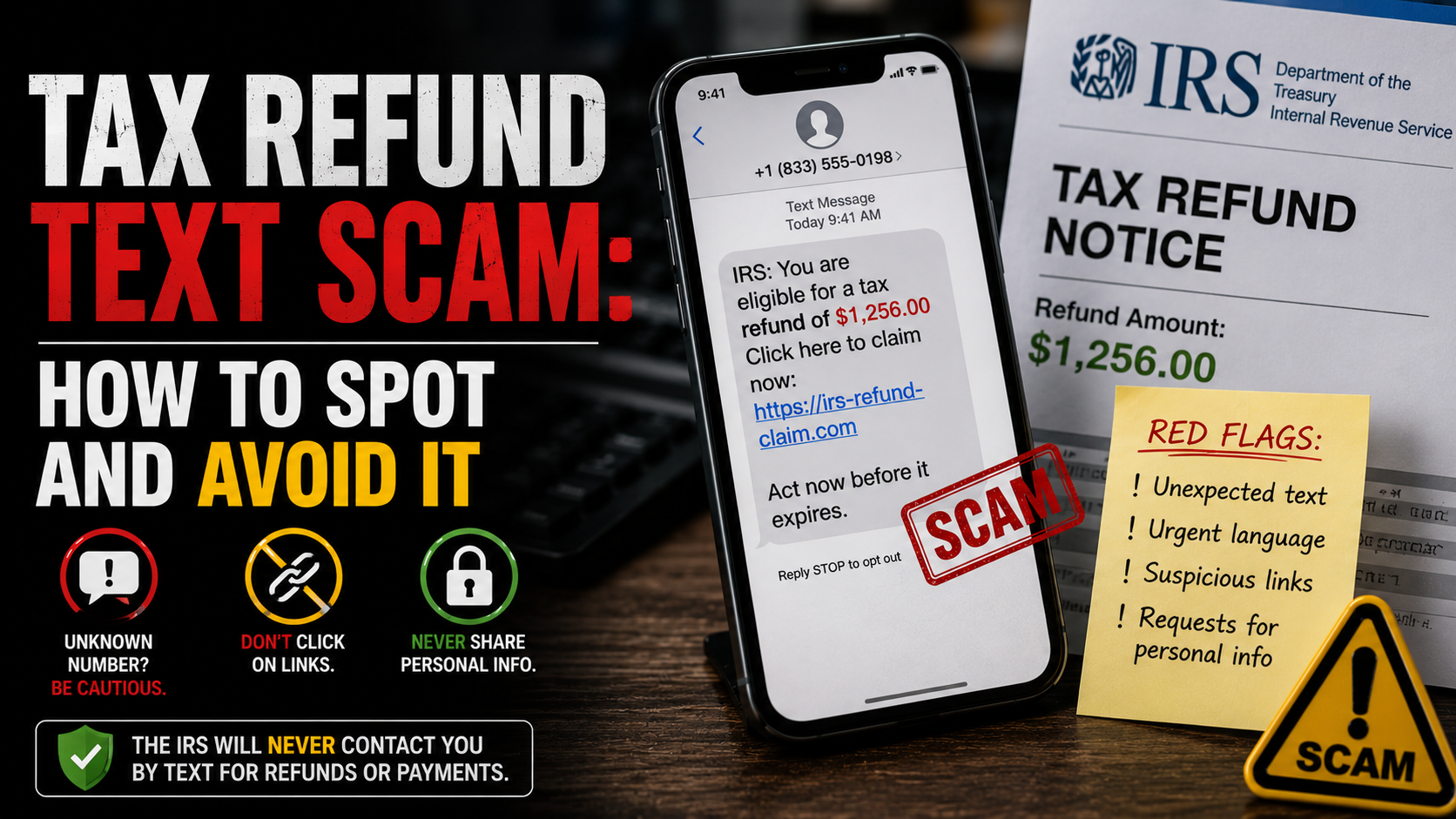
- The biggest three signs: a prize notification for a competition you never entered, a small “delivery” or “processing” fee required to claim the prize, and a link that does not go to asda.com
- How it reaches you: Facebook post, WhatsApp group message, SMS, email, Instagram story, or a sponsored social media ad using ASDA’s logo and imagery
- The golden rule: ASDA never contacts people by phone, text, or social media to notify them of prize wins, and all genuine ASDA promotions are announced on asda.com — any prize notification from any other channel is the ASDA giveaway scam
⚠️ Already Clicked, Shared Details, or Paid a Fee?
Contact your bank immediately using the number on the back of your card and request a card freeze. Report to Action Fraud at actionfraud.police.uk (0300 123 2040) and report the fake post to the platform (Facebook, WhatsApp, Instagram) directly. Jump to the What to Do If You Have Been Targeted section for full steps.
📋 Table of Contents
- What Is the ASDA Giveaway Scam?
- How the ASDA Giveaway Scam Works, Step by Step
- The 10 ASDA Giveaway Scam Warning Signs
- ASDA Giveaway Scam Variants
- Real Stories: When the Signs Were Missed
- What Authorities Say
- How to Protect Yourself
- What to Do If You Have Been Targeted
- Where to Report It
- Frequently Asked Questions
- Related Scam Guides
What Is the ASDA Giveaway Scam
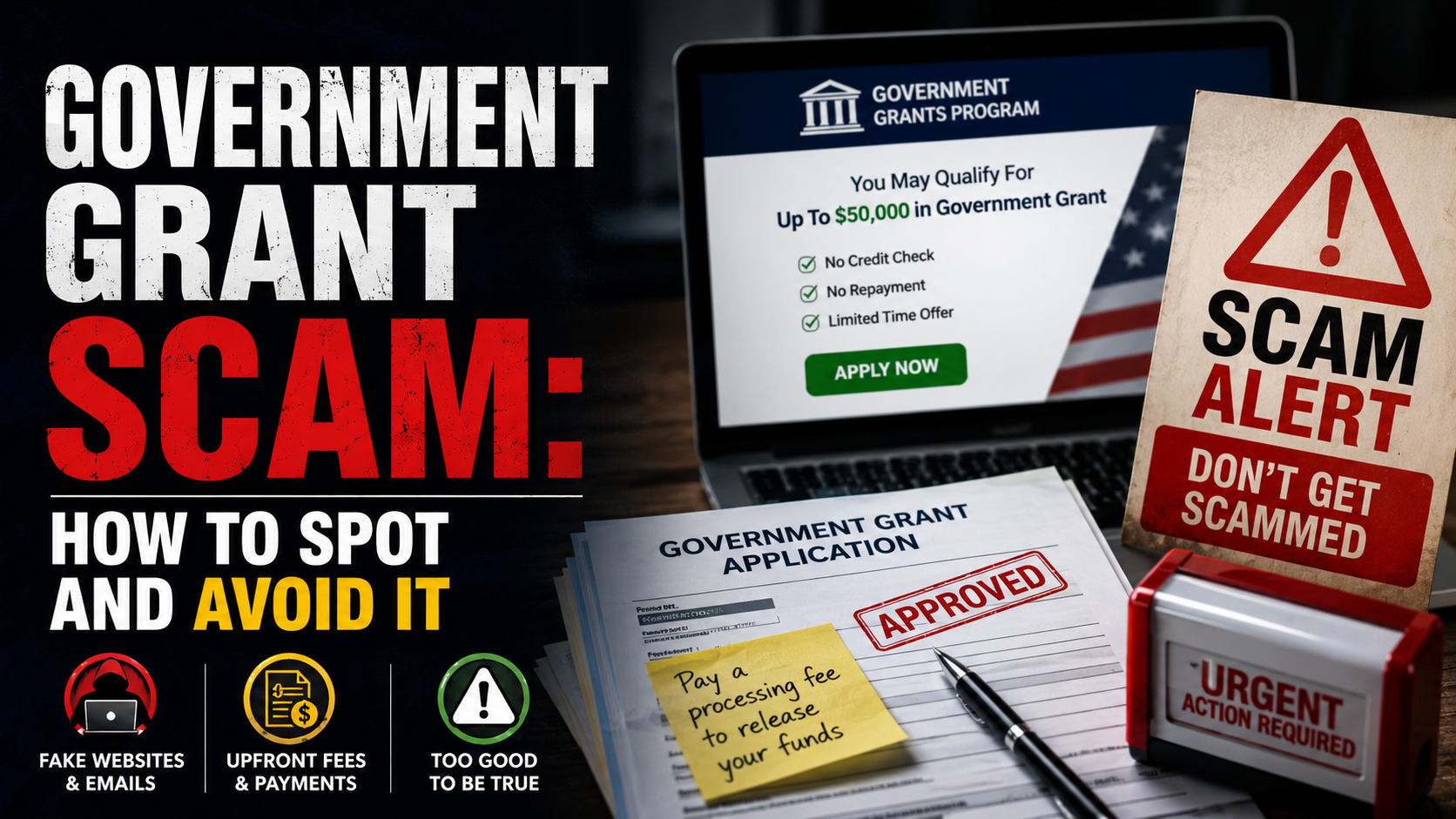
The ASDA giveaway scam is a prize impersonation fraud that uses ASDA’s logo, brand name, and store imagery to create fake competition and giveaway announcements. Victims receive a notification — via Facebook post, WhatsApp message, SMS, email, or fake sponsored ad — claiming they have won or been selected for an ASDA prize: typically a £250 or £500 gift card, a grocery hamper, an electronics bundle, or a cash award. The ASDA giveaway scam then directs the victim to a phishing site where personal details and card information are harvested.
The ASDA giveaway scam is structurally identical to fake giveaway frauds run under other UK retail brands — Tesco, Sainsbury’s, Marks and Spencer, and Boots have all been impersonated in the same way. ASDA is a particularly frequent target because of its large and loyal customer base, its well-known discount and value positioning (making prize offers feel credible), and the broad demographic reach of ASDA shoppers across the UK social media landscape.
The ASDA giveaway scam works through two primary damage mechanisms. The data harvest collects name, address, date of birth, email, and phone number — sufficient to seed downstream identity theft and phishing campaigns targeting the victim. The payment harvest collects card details through a small “processing” or “delivery” fee — typically £1.99 to £3.99 — that the victim pays to “claim” their prize. This small fee captures full card details including the CVV, enabling far larger fraudulent charges in the days that follow.
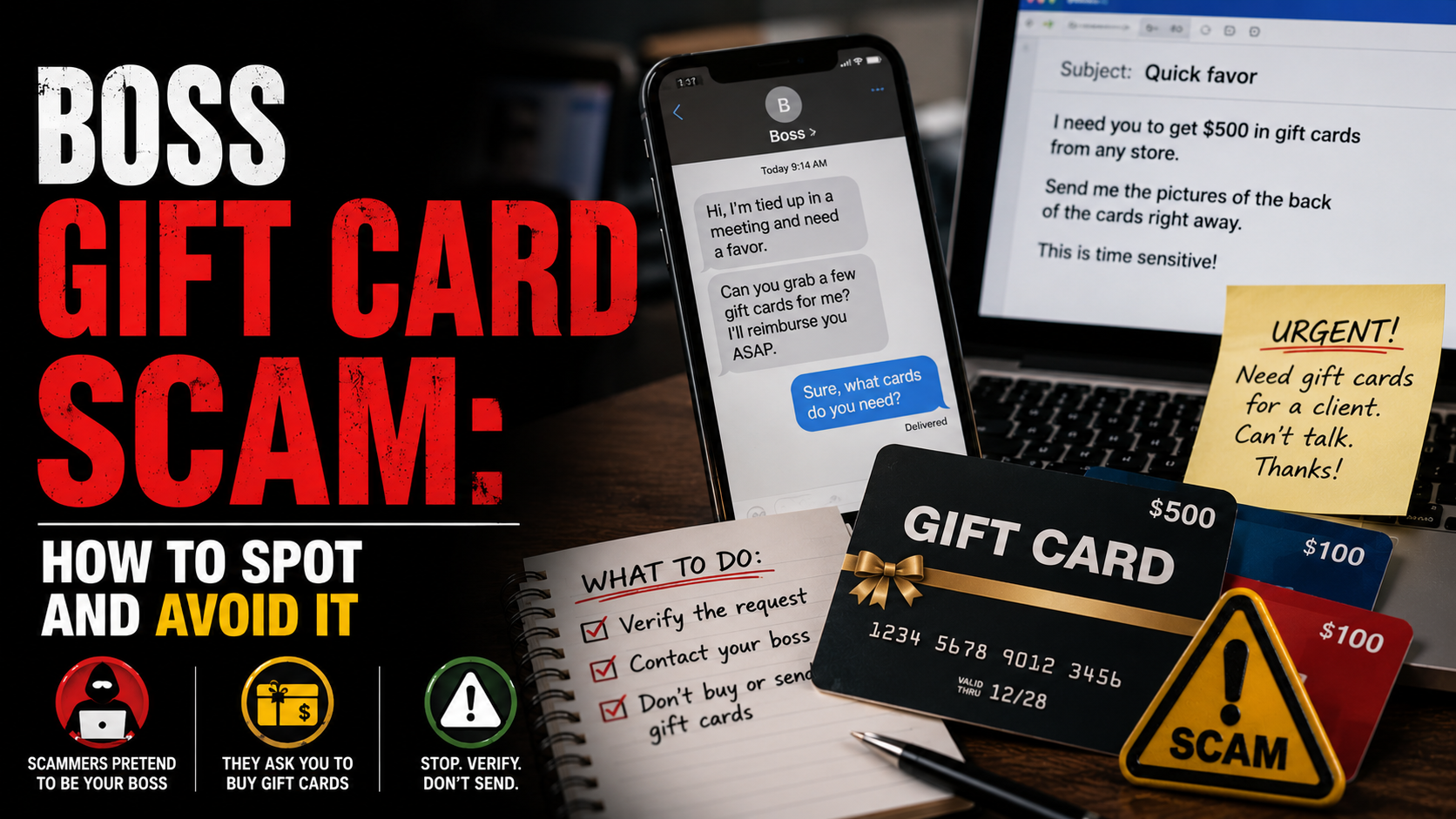
The ASDA giveaway scam also spreads virally. Many variants ask the victim to “like and share” or “forward to 5 friends” before claiming the prize — a mechanism that amplifies the fraud’s reach using the victim’s own social network contacts, who then receive the ASDA giveaway scam from a trusted source. This peer-to-peer spread is what enables ASDA giveaway scam posts to reach millions of people before the platforms can take them down.
The ASDA giveaway scam is part of a broader UK-branded retail fraud category. It shares its playbook with the fake delivery fee smishing pattern covered in our phishing scam guide and the charity impersonation approach covered in our charity scams guide.
How the ASDA Giveaway Scam Works, Step by Step
The ASDA giveaway scam follows a consistent six-stage pattern across every channel it uses. Recognising the structure at any stage ends the fraud before any data or money is surrendered.
Step 1: The Fake Prize Announcement
The ASDA giveaway scam begins with a convincing-looking social media post, message, or email. The content typically features the ASDA logo and store colours, a photograph of the claimed prize (gift cards, hampers, appliances), and a message explaining why the giveaway is happening — ASDA’s anniversary, a customer appreciation event, a clearance promotion, or a random winner selection from loyalty card holders.
The language is calibrated for maximum emotional impact: “Congratulations! You have been selected,” “Limited offer — only 50 prizes remaining,” or “Act today — this offer expires at midnight.” The ASDA giveaway scam post is professionally formatted, making it visually indistinguishable from a genuine brand promotion to a casual reader.
Step 2: The Viral Sharing Mechanic
Most ASDA giveaway scam variants include a participation requirement designed to spread the fraud: “Like and share this post with 5 friends to confirm your entry,” “Forward this message to 10 contacts on WhatsApp to claim your prize,” or “Comment ‘Done’ below to be added to the winner list.” This instruction converts the victim into a distributor of the ASDA giveaway scam before they have even reached the phishing site.
The sharing mechanic is the ASDA giveaway scam’s most efficient element. Recipients who receive the shared message from a friend are far more likely to click and engage — because the message comes from a trusted source rather than an unknown account. One ASDA giveaway scam post that is shared ten times each by one hundred initial victims reaches a potential audience of one thousand new targets.
Step 3: The Phishing Site
The ASDA giveaway scam link takes the victim to a phishing website that closely resembles asda.com. The site may use a domain like asda-promo-2026.co.uk, asda-reward-winner.com, or similar. It renders the ASDA brand correctly — logo, colour scheme, navigation style — and presents the prize claim form as a legitimate step in the checkout process.
Step 4: Personal Data Harvest
The ASDA giveaway scam form asks for the victim’s full name, home address, email, phone number, and date of birth — framed as necessary for prize delivery. This data is sufficient for identity theft applications: new credit card applications, loan fraud, and resale on dark-web markets. Even victims who stop before entering payment details have typically already surrendered valuable personal data at this stage.
Step 5: The Small Payment Request
After submitting personal details, the ASDA giveaway scam site presents a small payment requirement: £1.99, £2.99, or £3.99 for “delivery” or “processing.” The amount is calibrated to feel trivially small relative to the claimed prize value. The payment form requests full card details including the long card number, expiry date, and CVV. Once entered, the criminal has complete card details for fraudulent use.
Step 6: Ongoing Fraud
The ASDA giveaway scam does not end at the payment form. The “prize” never arrives. The phishing site may redirect the victim to a terms page enrolling them in a recurring subscription they did not knowingly agree to. The harvested card details are typically tested within hours and then used for larger purchases or sold in bulk. The victim’s personal data feeds follow-up phishing campaigns, making them a target for subsequent ASDA giveaway scam variants and other frauds.
The 10 ASDA Giveaway Scam Warning Signs
🚩 The 10 Warning Signs of the ASDA Giveaway Scam
- 1. You are told you have won a prize in a competition you never entered. Genuine prize draws require entry. If you receive an ASDA giveaway scam notification for a competition you have no memory of entering, the “win” is fabricated. No legitimate retailer randomly selects the general public for prize notifications without a prior competition entry.
- 2. The link does not go to asda.com. All genuine ASDA online content is hosted at asda.com or its authenticated subdomains. Any ASDA giveaway scam link going to asda-promo.co.uk, asda-reward-winner.com, or any domain that is not exactly asda.com is fraudulent infrastructure. Check the full URL before clicking — hover on desktop or long-press on mobile to see the destination.
- 3. A fee is required to claim or release the prize. No legitimate giveaway — from ASDA or any other UK retailer — requires a payment to claim a prize. Any “processing fee,” “delivery charge,” “verification payment,” or “release fee” associated with an ASDA prize is the ASDA giveaway scam’s card-detail harvest mechanism, regardless of the amount.
- 4. The message asks you to like, share, or forward it to receive your prize. The ASDA giveaway scam uses viral sharing to amplify its reach. Any prize mechanic that requires you to forward a message or share a post before claiming converts you into a distributor of the fraud. Genuine ASDA promotions do not make social sharing a condition of prize receipt.
- 5. The source account is not ASDA’s verified account. On Facebook, ASDA’s official page has a blue verified badge. On Instagram, the verified account is @asda. Any ASDA giveaway scam post comes from an unverified account, a newly created account, or a personal profile with ASDA branding. Check the account name carefully — “ASDA UK Giveaways” and “Official ASDA Promotions” are ASDA giveaway scam account names, not the real ASDA account.
- 6. Comments on the post are disabled or filled only with fake enthusiasm. The ASDA giveaway scam criminal disables or limits comments to prevent real customers from posting warnings. If comments are visible, they typically contain bot-generated responses like “Done!” “Shared!” or “Thank you ASDA!” with generic profile pictures. Real brand promotions generate genuine varied engagement.
- 7. The message creates extreme urgency about expiry. “Your prize expires in 2 hours.” “Only 3 prizes remaining.” “You must claim before midnight tonight.” The urgency in the ASDA giveaway scam is artificial — designed to prevent you from pausing to verify. Genuine ASDA promotions have reasonable claim windows announced on asda.com.
- 8. The form asks for more information than prize delivery requires. A prize delivery needs a name and address. An ASDA giveaway scam form asks for date of birth, email, phone number, and sometimes National Insurance number — data fields that serve identity theft purposes, not delivery logistics. Any prize form asking for data beyond what is needed to post a parcel is harvesting for secondary fraud.
- 9. The message came from a friend who shared it, not from ASDA directly. The ASDA giveaway scam spreads via social sharing — many victims receive it from a genuine friend who was already deceived. The fact that someone you trust shared the message does not authenticate it. Your friend was targeted by the same ASDA giveaway scam and unwittingly forwarded it as part of the prize mechanic.
- 10. ASDA’s official channels show no record of the promotion. Any genuine ASDA competition, giveaway, or promotion is announced on asda.com, ASDA’s verified social media accounts, or in-store. If you search asda.com and the promotion does not appear there, it does not exist. This check takes thirty seconds and defeats every variant of the ASDA giveaway scam.
ASDA Giveaway Scam Variants
5 VariantsThe ASDA giveaway scam runs in five distinct variants depending on the platform and cover story used. Each is structurally identical — fake prize, phishing site, data and payment harvest — but the delivery channel and prize framing differ.
Facebook Post Variant
The social media giveaway variantWhatsApp Forward Variant
The messaging app chain variantSmishing / SMS Variant
The text message variantEmail Phishing Variant
The inbox prize notification variantSponsored Ad / Instagram Variant
The paid social media targeting variantReal Stories: When the Signs Were Missed
The Manchester Mother and the £2 Delivery Fee
A 42-year-old mother in Manchester saw a Facebook post shared by a close friend, showing an ASDA 100th anniversary giveaway offering a £250 gift card. The post had thousands of likes and dozens of comments saying “Done!” She shared it with five friends as required, then clicked the claim link. The site looked exactly like asda.com — the logo, the green colour scheme, the font were all copied correctly.
The ASDA giveaway scam site asked for her name, address, and email. She then paid a £2 delivery fee using her Visa debit card. Within 48 hours her card had been charged £189 across three online retailers she had never heard of. Her bank reversed all fraudulent charges but cancelled her card and issued a new one. The friend who shared the post had received it the same way — neither had entered any ASDA competition.
The lesson: the £2 delivery fee is the ASDA giveaway scam’s card-capture mechanism, not a real charge. The small amount makes it feel inconsequential. But entering card details on any non-asda.com site — regardless of how credible the site looks — surrenders complete card information for fraudulent use. The amount itself is irrelevant; the card entry is the attack.
The Leeds Student and the WhatsApp Group Forward
A 20-year-old student in Leeds received a WhatsApp message in his family group from his mother, who had herself received it in a neighbourhood WhatsApp group. The message claimed ASDA was giving away free £100 shopping vouchers to customers who forwarded the message and completed a short survey. He forwarded it to his university flat group before clicking the survey link.
The ASDA giveaway scam survey asked eight questions about his shopping habits, then presented a prize-claim form requesting his full name, address, and date of birth. He did not enter payment details — but the personal data he provided was sufficient. Over the following three months he received seven different phishing attempts by email and phone, all referencing ASDA or supermarket loyalty schemes. His address was used to apply for a store card, which was flagged by the lender’s fraud detection before it was opened.
The lesson: the ASDA giveaway scam data harvest is damaging even without the card entry step. Name, address, and date of birth together are enough to attempt new-account fraud. The WhatsApp forwarding mechanic specifically uses family trust networks to bypass the victim’s scepticism — receiving a message from your mother feels inherently different from receiving it from an unknown account, even when the content is identical.
The Bristol Retiree and the Recurring Subscription
A 71-year-old retiree in Bristol received an email claiming her ASDA online account had been selected for a £500 seasonal prize. The email looked professional and included her first name in the greeting — likely obtained from a previous data breach. She clicked the claim link, entered her personal details, and paid £3.99 for delivery of the prize hamper.
The prize never arrived. The £3.99 charge appeared on her statement, but she thought nothing of it — it matched what she had agreed to pay. Six weeks later she noticed a monthly charge of £29.99 appearing under a company name she did not recognise. The ASDA giveaway scam site’s terms and conditions — in tiny font, on a page she had not scrolled through — had enrolled her in a subscription service. She disputed all charges through her bank and received a full refund, but only after a three-week process.
The lesson: the subscription variant of the ASDA giveaway scam uses the payment form as dual-purpose infrastructure — it captures card details for immediate fraudulent use and enrols the victim in recurring charges through hidden terms. The fact that the small initial charge appeared as agreed obscures the secondary subscription fraud until it has been running for weeks.
What Authorities Say
UK consumer protection authorities and ASDA itself have issued guidance specifically about the ASDA giveaway scam and retail brand impersonation fraud.
Action Fraud, the national fraud and cybercrime reporting centre, identifies retail brand giveaway scams — including the ASDA giveaway scam — as one of the most-reported online fraud categories in the UK. Action Fraud’s guidance is consistent: never pay to claim a prize, never enter card details on a site that is not the genuine brand’s official domain, and report any suspicious prize notification at actionfraud.police.uk or 0300 123 2040.
The National Cyber Security Centre (NCSC) operates the Suspicious Email Reporting Service (SERS) at report@phishing.gov.uk and the 7726 SMS reporting code. Both services feed into active takedown operations. The NCSC notes that retailer brand impersonation is among the top five phishing categories by volume — ASDA giveaway scam emails and texts are regularly submitted through both channels and are used to coordinate domain takedowns of the phishing sites used in the campaigns.
ASDA itself regularly publishes warnings on its official social media channels and asda.com about fake giveaway scams using its branding. ASDA confirms it does not notify customers of prize wins via unsolicited text, email, or social media messages, and that all genuine ASDA promotions are announced through official channels on asda.com. ASDA encourages customers who receive suspected ASDA giveaway scam messages to report them directly to customer services and to Action Fraud.
The Competition and Markets Authority (CMA) and the Advertising Standards Authority (ASA) have both taken enforcement action against fraudulent prize promotions in the UK. Under the CAP Code, genuine prize promotions must publish rules, be transparent about odds, and never require payment to enter or claim. The ASDA giveaway scam violates these standards on every dimension.
How to Protect Yourself
Verify Every Prize Claim on asda.com Before Anything Else
The single most effective protection against the ASDA giveaway scam: before clicking, sharing, or entering any details, go to asda.com and search for the promotion. Genuine ASDA giveaways, competitions, and prize draws are always announced on their official website. If the promotion is not there, the ASDA giveaway scam message is fraudulent — regardless of how many people have already shared it or how official it looks.
This check takes thirty seconds on a mobile. It defeats every platform variant of the ASDA giveaway scam — Facebook, WhatsApp, SMS, email, and sponsored ad. The ASDA giveaway scam cannot survive a victim who verifies directly at asda.com before engaging with any claimed prize.
Never Pay to Claim a Prize
No legitimate prize from ASDA or any other UK retailer requires a payment to claim. Any “delivery fee,” “processing charge,” “verification payment,” or “release fee” associated with an ASDA prize claim is the ASDA giveaway scam card-data harvest. The amount is irrelevant — £1.99 and £199 are equally dangerous because the card detail entry is the attack, not the charge amount itself.
This rule also applies to prizes from all other UK retailers. If any competition win requires payment of any kind before the prize is released, it is a scam using the same ASDA giveaway scam structure applied to a different brand.
Stop Before You Share or Forward
The ASDA giveaway scam’s spreading mechanic depends on victims becoming unwitting distributors. Before you share any prize post or forward any prize message, verify it on asda.com. If you have already shared an ASDA giveaway scam post, send a follow-up message to everyone you shared it with explaining it was fraudulent — this prevents your social network from being victimised by the same post you distributed.
Check the Account or Sender Before Engaging
On Facebook, ASDA’s verified page is “ASDA” with a blue verification badge. On Instagram, the verified account is @asda. Any ASDA giveaway scam post comes from an account without a verified badge, or from a personal profile that has added ASDA’s logo. Check the posting account name carefully — “ASDA UK Giveaways” and “Official ASDA Promotions” are ASDA giveaway scam account names, not the real ASDA account.
Report All Suspicious Prize Posts to the Platform
Reporting ASDA giveaway scam posts on Facebook, WhatsApp, and Instagram triggers platform review and removal. On Facebook: three dots in the top right of the post → Report Post → Scam or Fraud. On WhatsApp: long-press the message → Report. On Instagram: three dots → Report → Scam or Fraud. Platform removal is the most effective way to stop an ASDA giveaway scam post from reaching additional victims through the viral sharing mechanic.
What to Do If You Have Been Targeted
If you have already clicked an ASDA giveaway scam link, submitted personal details, or paid a prize-claim fee, act quickly. The speed of your response directly affects how much damage can be limited.
Contact your bank immediately if card details were entered
Call the number on the back of your card and report the payment as fraudulent. Request a card freeze, a chargeback for the claimed fee, and a new card number. Do not wait for additional charges to appear — criminals test captured cards quickly. The card entry is the attack; the small initial fee amount is irrelevant.
If you enrolled in a subscription you did not knowingly agree to, request a chargeback for all subscription charges and ask your bank to block future charges from the same merchant. Credit card holders can also use a Section 75 Consumer Credit Act claim — all UK credit card issuers are required to process these.
Report the ASDA giveaway scam to Action Fraud and the NCSC
File a report at actionfraud.police.uk (0300 123 2040). Include the platform the ASDA giveaway scam appeared on, the link you clicked, any amount paid, and the personal details you entered. Forward any ASDA giveaway scam email to report@phishing.gov.uk. Forward any ASDA giveaway scam SMS to 7726. These reports feed the NCSC’s domain takedown operations and Action Fraud’s fraud intelligence database.
Report and remove the post from the platform
Report the original ASDA giveaway scam post to Facebook, Instagram, or WhatsApp using each platform’s built-in reporting tools. If you shared or forwarded the post, send a correction message to everyone in your network who received it. Ask your friends not to click the link and to report it on their end as well — removing the ASDA giveaway scam post from multiple accounts simultaneously accelerates platform-level removal.
Protect against downstream identity fraud
If you submitted your name, address, date of birth, or National Insurance number, register for Cifas Protective Registration at cifas.org.uk. This prevents criminals from using your data to open new credit accounts in your name. Check your credit file with Experian, Equifax, and TransUnion for any inquiries or new accounts you did not initiate. Sign up for credit monitoring alerts if available through your bank.
Change passwords and enable two-factor authentication
If the ASDA giveaway scam site or email asked you to log into an ASDA account or any other account, change that password immediately. Enable two-factor authentication on your ASDA account, email accounts, and banking apps. If you use the same password across multiple accounts, change all of them — giveaway scam credential harvests feed into credential-stuffing attacks on other platforms using the same email and password combination.
Where to Report It
Reporting the ASDA giveaway scam helps platforms take down the posts, NCSC take down the phishing sites, and authorities build fraud intelligence. Use all four channels — they feed different systems.
Frequently Asked Questions
Seen an ASDA Giveaway Post?
Check asda.com first. If it is not there, it is the ASDA giveaway scam. Report it — don’t share it.